The methodology for my new book emerged from ethnographic research methods. I locate it here for those who are curious and for those who might like to nerd out a bit behind the scenes.

The basic bones of my methodology combines ethnographic interviews with Interpretative Phenomenological Analysis (IPA). My primary training is in science and literature, or in other words, storytelling, but this “found methods” from social science enables a more systematic and formal process. The coherent thread that joins all of these methods—ethnography, IPA, idiography, and cultural studies—is a phenomenological approach to reality, informed by a multidisciplinary perspective. As a whole, the project is transdisciplinary, given its attention to non-academic informants and its effort to create new perspectives on and new solutions to the wicked problems of environmental degradation and contamination.
Part of the IPA process includes acknowledging the double hermeneutic involved as “the analyst makes sense of how the participant makes sense,” resulting in an analysis that, while always subjective and tentative, is nevertheless rich, dynamic, dialogic, iterative, idiographic, and systematic.[i]
I also rely on a feminist tradition of insider and embodied[ii] research that is particularly suited to this topic. In her ethnography of transnational and transracial adoptees, Kim Park Nelson has stressed the importance of native researchers.[iii] I agree with her argument about the benefits of insider research and echo her indebtedness to “a long tradition of feminist ethnographers who acknowledge their positions as women so as to access other women’s experiences, and who use so-called feminized interviewing skills in order to gather information.”[iv] Historically, ethnography has been conducted predominantly by outsiders to the communities studied, operating from a position of presumed objectivity and even superiority; more recently, researchers have recognized that much of that position of objectivity was either problematic or artificially assumed.[v] Andrea Fontana and James H. Frey contend that “researchers are not invisible, neutral entities; rather they are a part of the interactions they seek to study.”[vi] Interviewer and informant are co-creators in knowledge.
Linda Tuhiwai Smith, in Decolonizing Methodologies, discusses the pros and cons of being an insider or an outsider and finds that there can be benefits to an insider perspective if the researcher remains aware of the potential complexities in such a position.[vii] Concerns about the sometimes-problematic history of ethnography may be abated by my status as an insider in two communities examined here—an insider as the parent of a child who died of an environmental illness and an insider as an activist and public health practitioner.
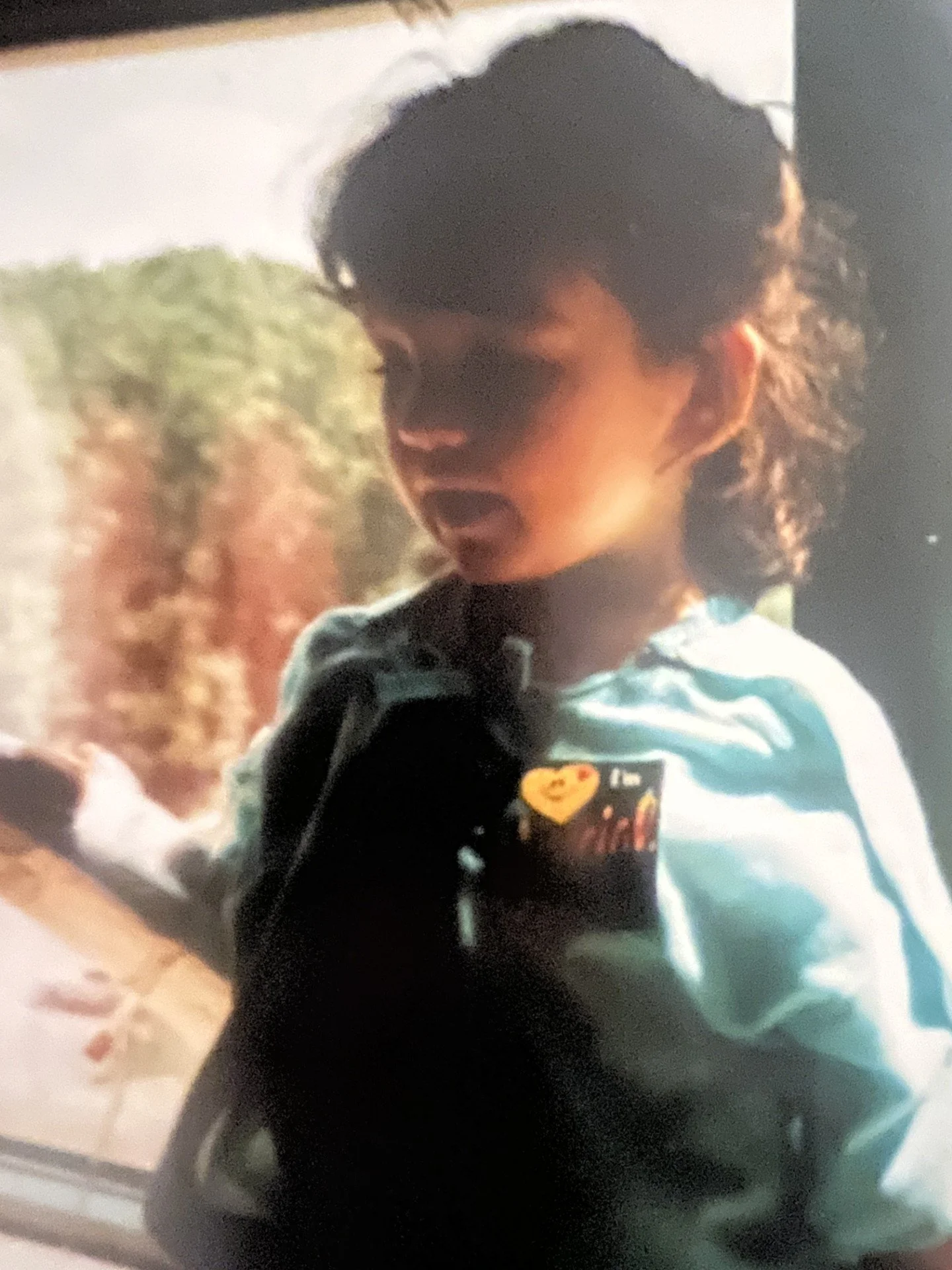
Nevertheless, it is important to remain critical of my own perspective. Certainly, I have a propensity to see the problem to which my daughter lost her life as the most important in the world, yet, even when examined under a more objective lens, there is reason to believe that our current destruction of the planet that sustains all life is the worst problem humans face, with the possible exception of all-out nuclear war. Moreover, in 2007, when the Fourth Assessment Report of the Intergovernmental Panel on Climate Change (IPCC) came out, most environmentalists had to acknowledge that climate change is an even greater threat to human flourishing than environmental chemicals. While conducting interviews and oral histories, I closely examined my own unavoidable subjective biases and intentionally tried to prevent my own experiences from interfering with the telling of others’ stories. Given that many participants were willing to talk with me in part because of my status as an insider, I encouraged them to ask questions about my experiences, but positioned that question at the very end of the conversation. While always conscious of my own particular memories, and while aware of the potential emotional impact on myself, I approached interviews with an ethnographic comportment,[viii] an open mind, and an empathetic demeanor.
[i] Smith et al. 2022, 77.
[ii] “Ethnographic understandings are embodied in the sense that most, if not all, ethnographic knowledge and awareness is experienced through the positioned body and sensory perspectives of the researcher. Accordingly, the body is understood as an instrument of data accumulation in that ethnographers continually draw on past experiences to recognize what is notable and what—amidst the infinite potential of ‘everything’—actually counts as data” (Brinkmann, 2014 qtd. in Harrison 2018, 71).
[iii] 2016, 19.
[iv] Park Nelson 2016, 19-20.
[v] Blaser 2010; Harrison 2018.
[vi] 2005, 144.
[vii] 1999.
[viii] See Harrison on ethnographic comportment (2018, 30).