Here is the Toolkit for the book -- located online for easy access and updating!
Top Ten Ways to Help Protect Your Children from Cancer, Autism, ADHD, and Lower IQs from Environmental Exposures
The American Academy of Pediatrics has determined that we can help prevent disease and disability in children by limiting their exposure to pesticides and other chemicals found in everyday life. Here are some things parents can do.
Choose non-toxic and environmentally safe chemicals, eliminate landscape pesticide and fertilizer use; do not use pesticides inside or on pets, and dispose of toxic chemicals safely.
Reduce exposure to pesticides by choosing organic foods or washing thoroughly. If eating meat, choose free-range or organic and avoid eating processed, charred, or well-done meat. Waste less food and consider plant-based diets.
Remove shoes before entering the home, and if exposed to chemicals, wash work clothes separately from family laundry.
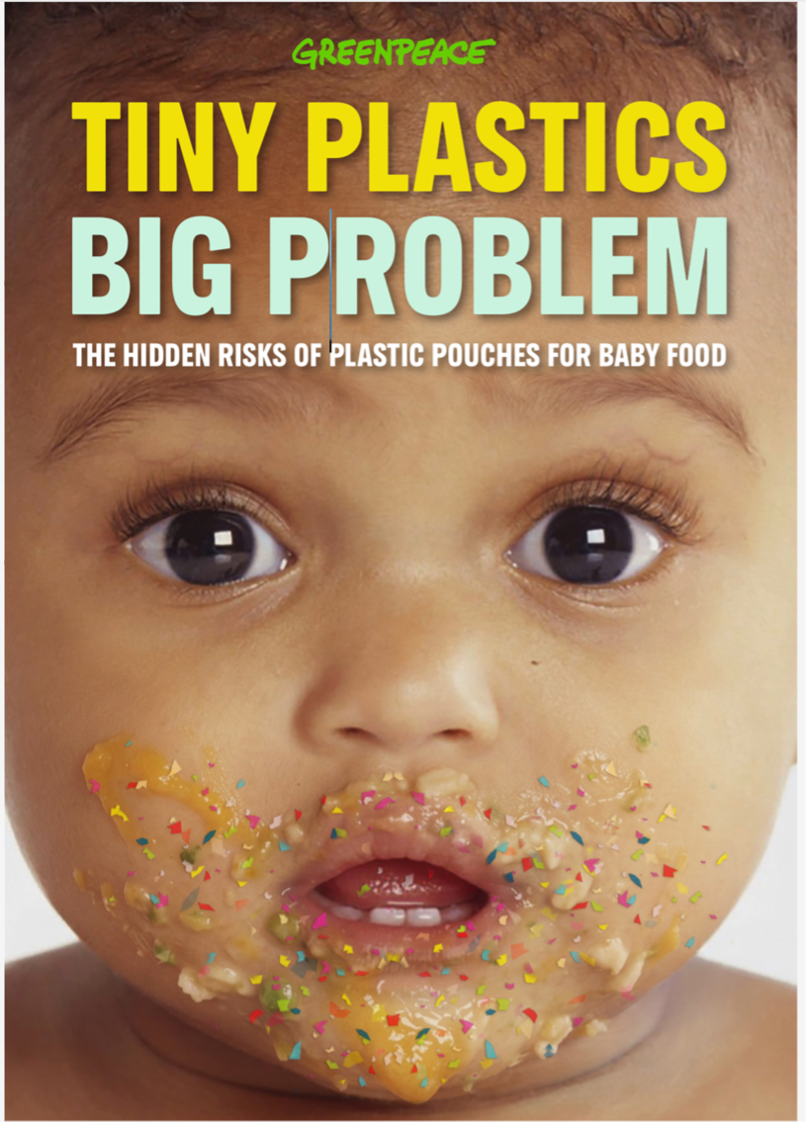
Filter home tap water, preferably with reverse osmosis, and carry and store in stainless steel or glass containers. Microwave food and beverages only in ceramic or glass. Avoid canned goods and plastics, especially #1, #3, and #7.
Make informed choices about purchases by consulting Recommended Resources. Foam items bought before 2005 should be inspected; anything ripped or breaking down should be replaced; be careful when removing old carpeting and padding. Inquire about fire retardants. Use a HEPA filter on vacuums. Avoid coal-tar sealants and perfumes. Refuse, reduce, reuse, repair, recycle.
Cut down on fossil fuel use by turning off lights, switching to renewables at home, driving a fuel-efficient, hybrid, or electric car, and walking and biking when possible. Don’t idle when parked. Avoid flying.
Avoid tobacco and vaping.
Limit cell phone use, check home radon levels, and weigh risks of medical tests against diagnostic benefits.
Wear protective covering and sunscreen.
Speak up and vote the environment. “Each person can become an active voice in his or her community. To a greater extent than many realize, individuals have the power to affect public policy by letting policymakers know that they strongly support measures that will reduce or remove from the environment toxics that are known or suspected carcinogens or endocrine-disrupting chemicals. Individuals also can influence industry by selecting non-toxic products and where these do not exist, communicating with manufacturers and trade organizations about their desire for safer products.”[i]
Poster 10 Things 11x17.9Download
Poster 10 Things 11x17.Spanish.RevDownload
Resources: Learn More to Protect Children:
American Academy of Pediatrics (AAP) Statement on Pesticides
http://pediatrics.aappublications.org/content/130/6/e1757
AAP Healthy Children
American College of Obstetricians and Gynecologists (ACOG) on Environmental Agents
CDC Biomonitoring Project
http://www.cdc.gov/exposurereport/
CDC / ATSDR Environmental Health and Medicine Education: CME credit
https://www.atsdr.cdc.gov/emes/health_professionals/index.html
EPA Pediatric Environmental Health Subspecialty Unit (PEHSU)’s Pediatric Environmental Toolkit
https://www.pehsu.net/PEH_ToolKit.html
EPA: Recognition and Management of Pesticide Poisonings
https://www.epa.gov/sites/production/files/2015-01/documents/rmpp_6thed_final_lowresopt.pdf
Great Lakes Center for Children’s Environmental Health
https://great-lakes.uic.edu/childrens-environmental-health/
Healthy Fish Choices: CME credit
http://cores33webs.mede.uic.edu/HealthyFishChoices/index.html
Little Things Matter
National Environmental Education Foundation (NEEF)
Pediatrics: “Childhood Leukemia: A Preventable Disease”
https://www.ncbi.nlm.nih.gov/pmc/articles/PMC5080868/
Pesticide Action Network North America (PANNA)
http://www.panna.org/resources/kids-frontline
President’s Cancer Panel 2010: Reducing Environmental Cancer Risk
https://deainfo.nci.nih.gov/advisory/pcp/annualreports/pcp08-09rpt/pcp_report_08-09_508.pdf
TENDR Consensus Statement
https://ehp.niehs.nih.gov/doi/10.1289/ehp358
UCSF: Western States Pediatric Environmental Health Toolkit
https://wspehsu.ucsf.edu/curriculum-tools/pediatric-environmental-health-toolkit/
UCSF: Sowing the Seeds of Change: Childhood Cancer & the Environment
https://wspehsu.ucsf.edu/projects/childhood-cancer-environment-overview/childhood-cancer-and-the-environment-program/
UCSF: Program on Reproductive Health and the Environment
Unthinkable: Supports for Climate Trauma and Ecological Distress
https://www.unthinkable.earth/resource-hub
At Home, School, and Work:
Because Health
https://www.becausehealth.org/
Bioshield Paints
Chem Trust
https://chemtrust.org/
Children’s Environmental Health Network
https://cehn.org
Environmental Health News
Environmental Working Group (EWG): Dirty Dozen, Cosmetics, Ten Americans
https://www.ewg.org/foodnews/list.php or http://www.ewg.org/skindeep/ or http://www.ewg.org/news/videos/10-americans
Gardens Alive!
https://www.gurneys.com/collections/garden-supplies?srsltid=AfmBOootMBuSiNkKube_ZWhx9w7OgosjU3kE_5OMwIStmkAh6j5qJaDP
Made Safe
Million Marker to test EDCs in urine
My Safety Nest
Pharos Healthy Building Materials
https://pharos.habitablefuture.org
Precede: Public Repository to Engage Community and Enhance Design Equity
https://precede.perkinswill.com/about-precede/
Seafood Watch
https://www.seafoodwatch.org/seafood-basics/sustainable-healthy-fish
Toxic Free Future
https://toxicfreefuture.org/
Zero Waste Home
Apps:
Clearya
Detox Me
EWG’s Healthy Living App