Lanphear and Kimmerer and Collins: To Meld Three Marvelous Minds….
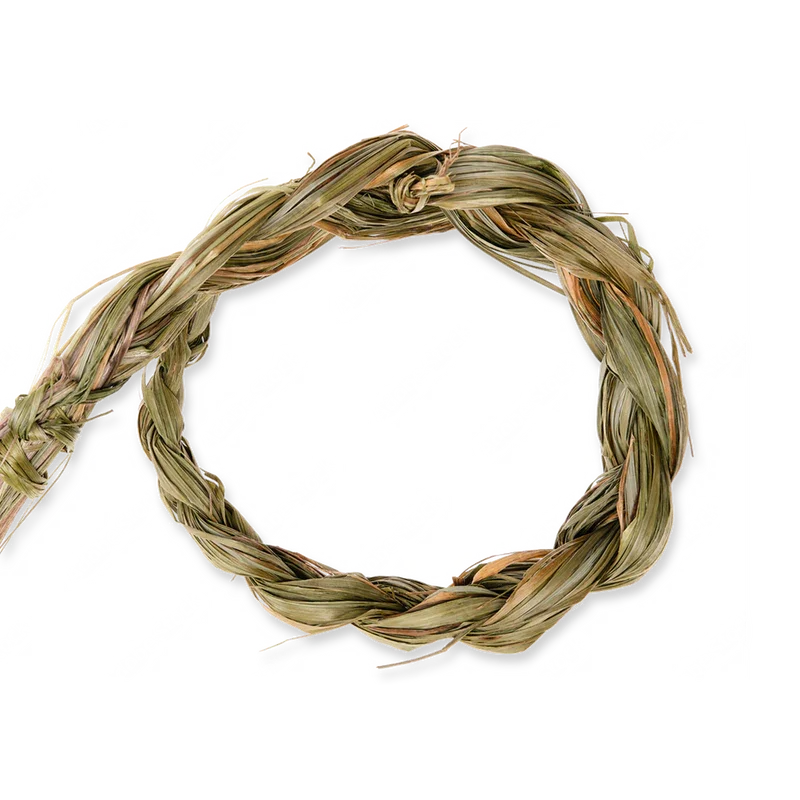
Happy accidents in reading can delight. This week and last, as part of my Environmental Literature course, I have been wending my way again through Robin Wall Kimmerer’s Braiding Sweetgrass, every environmentalist’s new delight, quickly establishing itself as a tried-and-true classic. If you haven’t read it yet, I cannot recommend it warmly enough. A botanist professor and a member of the Citizen Potawatomi Nation, Kimmerer braids together a finely tuned scientific mind and resoundingly moral indigenous spirit.
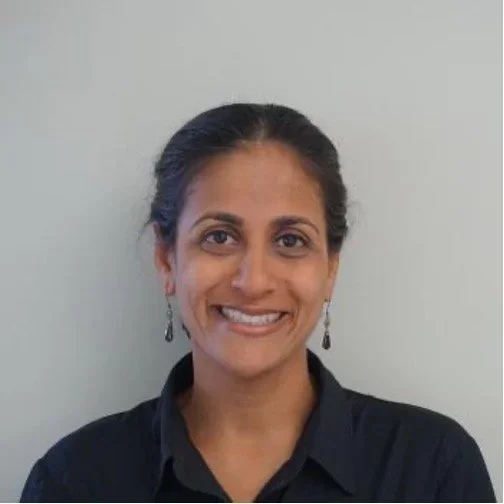
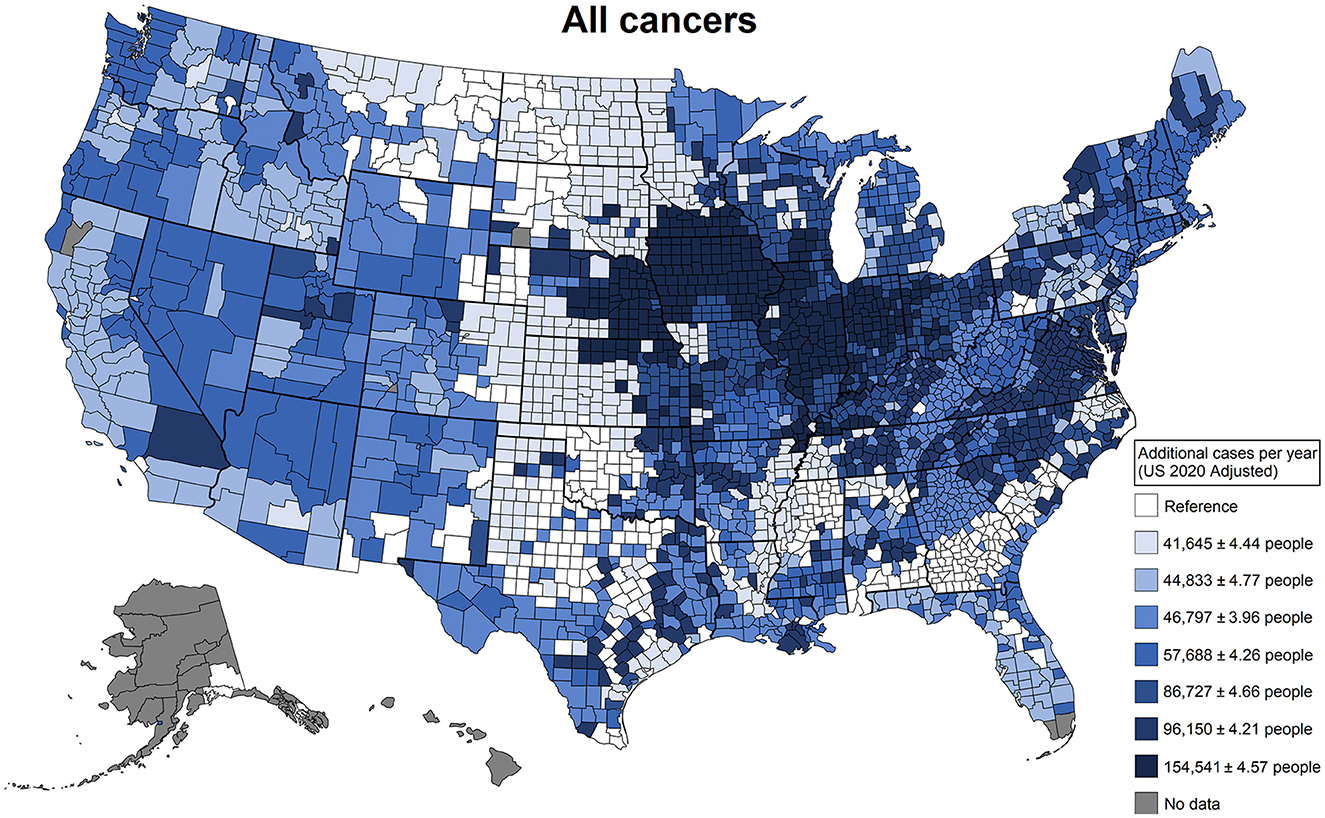
The equally brilliant Bruce Lanphear, a pediatrician and expert in children’s environmental health I interviewed for my book, has been blogging for about a year, and his latest just popped up in my email. He sees better than most how fragmentation – of our electorate, of specialties within public health – has narrowed our view and permitted a blindness about realities that would otherwise be obvious. “We divide ourselves into fields—epidemiology, toxicology, economics, medicine—each with its own journals, conferences, and language. Even within epidemiology, we subdivide into ever-narrower domains—environmental, infectious, chronic, and social epidemiology—each with its own priorities. The result is a level of fragmentation that can feel astonishing.” Dr. Lanphear sees this much more clearly than most scientists, who hone expertise by focusing down and down and down on the tiniest problems within tiny subspecialties.
This kind of specialization is responsible for vast blind spots, in Public Health, in politics, and in human perspicacity generally. This kind of blind spot gives a blank check to chemical companies to make a great deal of money – by spraying toxic chemicals like chlorpyrifos for mosquitoes, to take just one example, because infectious disease experts barely think about the environmental health implications of the chemicals. ID experts are simply focused on lowering mosquito-borne illness. But if we recognize how important it is to “first, do no harm,” then Public Health practitioners of all sorts must at least know what they do not know. And we all need to stop thinking of human health as wholly divisible from the health of other organisms and from the planet that is our mother, without whom we could not survive.
I am reminded of something Carnegie Mellon chemist Terry Collins said about this phenomenon: “we take everybody and say, ‘Well, go down this drill hole,’ and you literally have to go down it to be any good. And what we have to do is have them come back up to the surface and look around and go and look down other drill holes to see that the real meaning of things resides in no single drill hole.” Each of the drill holes requires a lifetime to really learn, so to expect the same scientists to also gain a prospect of the landscape as a whole is asking a lot. Yet that view is necessary to beginning to comprehend whole truths.
Lanphear ties this fragmentation back to a corporate model based on competition, specialization, influence, and funding. Fragmenting the understanding of what is happening to our health only benefits the corporations that rely on uncertainty and delay to peddle their toxic contaminated products. “Preventing disease does not require choosing between lead poisoning and poverty, or between air pollution and AIDS. Disease does not respect those boundaries. These forces converge in the same bodies, shape the same lives, and accumulate over time. When we separate them into silos, we do not clarify the problem—we distort it.”
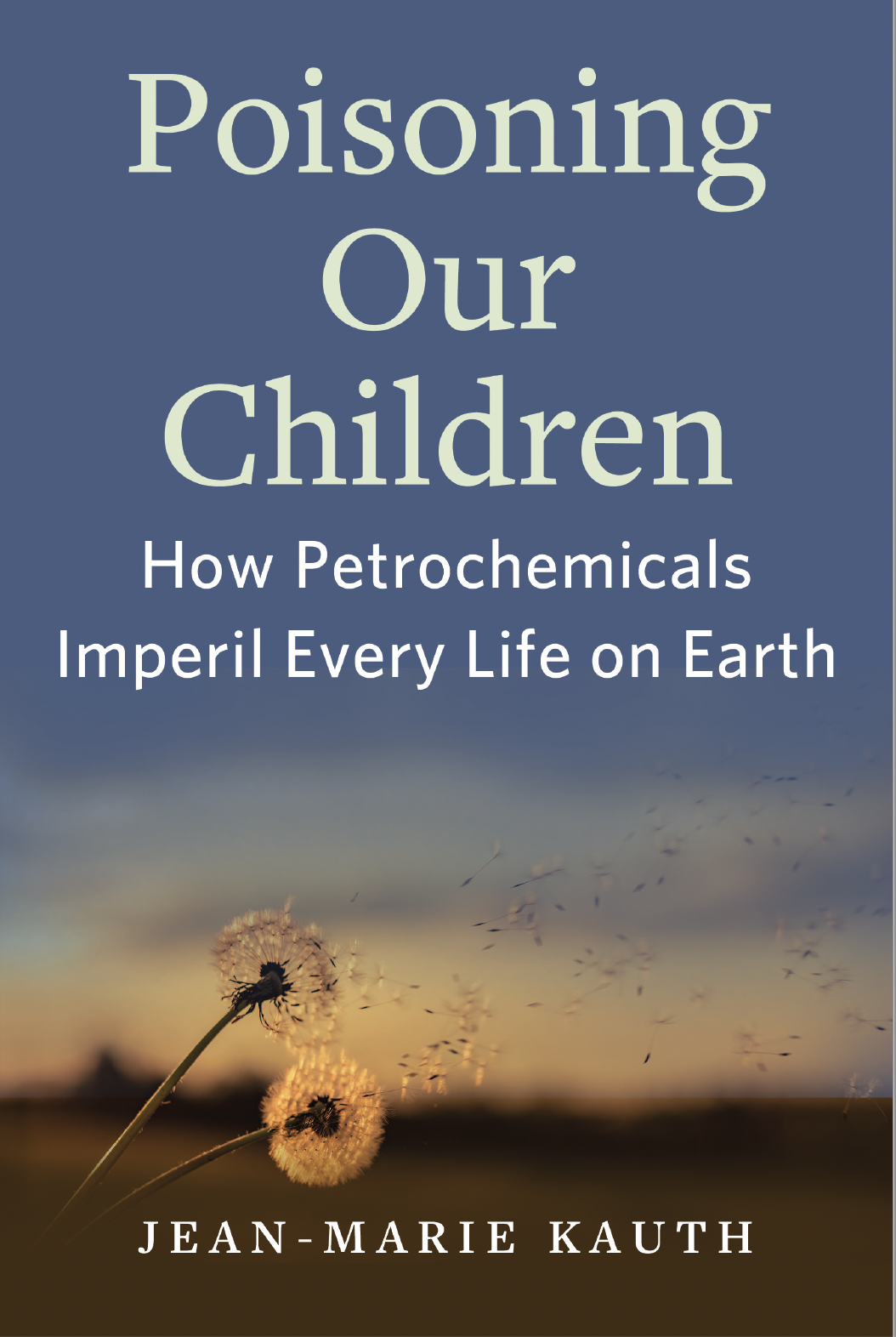
It is for this reason that my forthcoming book, Poisoning Our Children, focuses not only on the exposures that cause the disease that killed my daughter, but on all the exposures, all the environmentally-linked diseases that affect children – at least all that I could enfold within the scant space of one volume.
If Lanphear eagle-eyes the problem, Kimmerer comes closest to envisioning a union between science and story, the whole of existence and its parts. “The very facts of the world are a poem,” she says, illuminating the text of her argument with salamanders and buffalo and daffodils. “If the Western world has an ilbal,” or “lens with which to view our sacred relationships…it is science” (345). Yet she argues that science blurs spiritual realities and relinquishes wisdom. “It is important in thinking about this lens to separate two ideas that are too often synonymous in the mind of the public: the practice of science and the scientific worldview that it feeds.” In contrast to the purity of scientific inquiry is “the scientific worldview, in which a culture uses the process of interpreting science in a cultural context that uses science and technology to reinforce reductionist, materialist economic and political agendas. I maintain that the destructive lens of the people made of wood is not science itself, but the lens of the scientific worldview, the illusion of dominance and control, the separation of knowledge from responsibility” (346-7).
We see this urge to dominance and control everywhere, in climate change, in the erosion and contamination of ecosystems everywhere in the world. Kimmerer’s answer to dominance and control is gratitude for the abundant gifts of nature and the humility to learn from the whole of the natural world.
Humility is the answer in the Benedictine Rule, too – the virtue that answers pride, the sin by which the angels fell. It is hard to imagine more egregious hubris than breaking circles and cycles of nature that have sustained all life since the beginning. How blind does one have to be to think we can keep pumping toxic plastics into the environment and ourselves, that we can continue burning fossil fuels in a profligacy that undoes the atmosphere that sustains us?
As I explored in my first book, Environmental Legacies of the Copernican Universe, I see more similarities than differences between indigenous and pre-Enlightenment Western ways of knowing.
In relinquishing the pride of thinking we know it all, the arrogance of asserting Western scientific culture over earlier and indigenous cultures, perhaps we can learn to see the whole. Perhaps we can learn to close the broken circles and thereby heal the World – and ourselves.