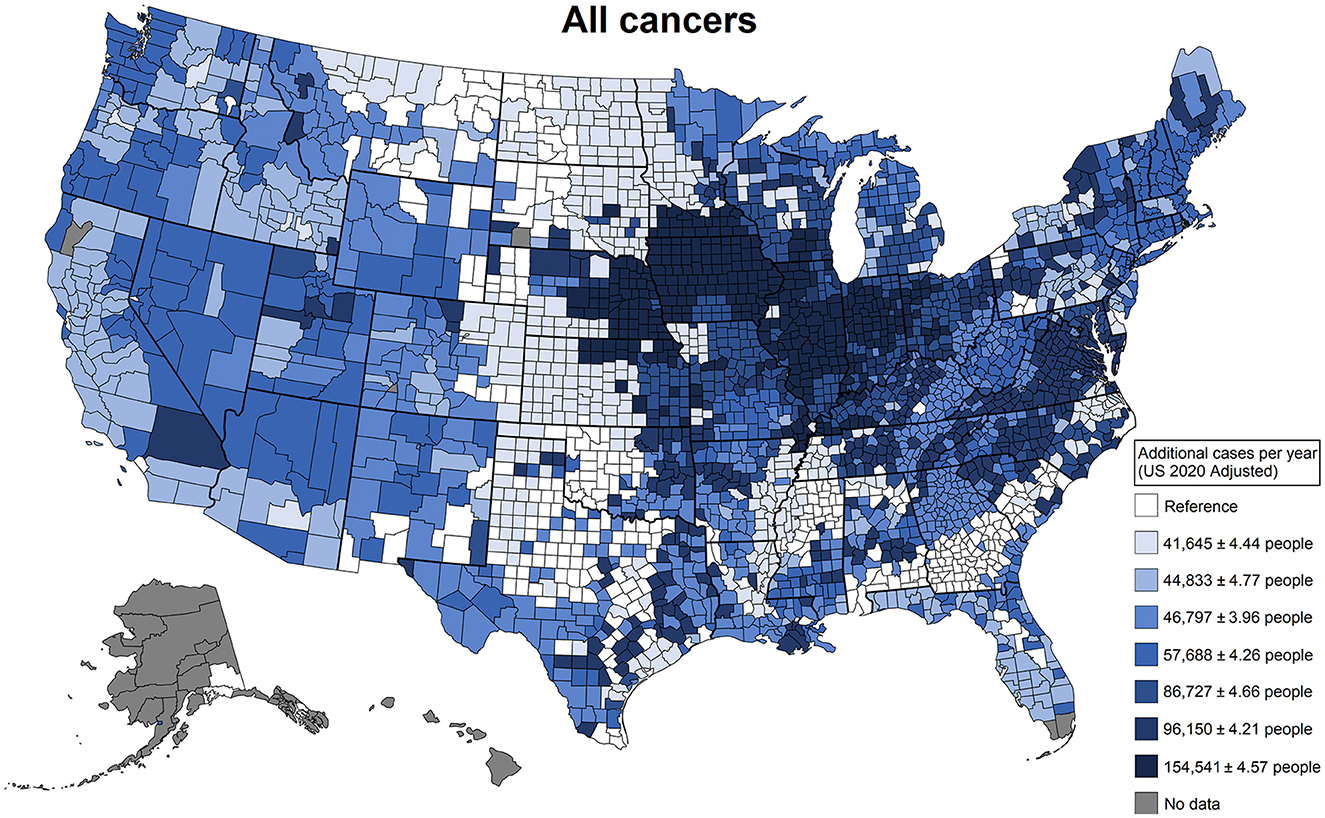
Did the petrochemical industry murder my child?
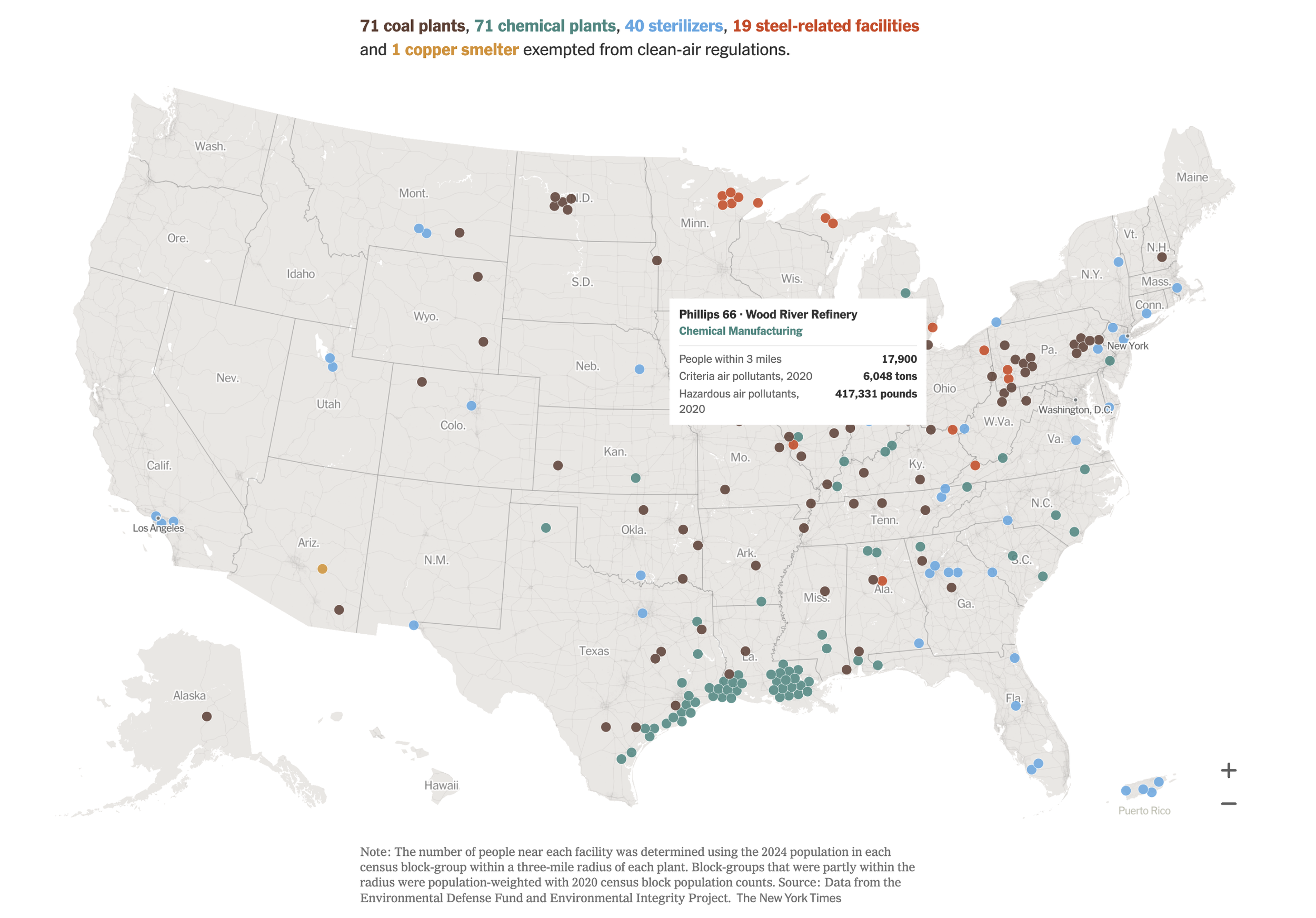
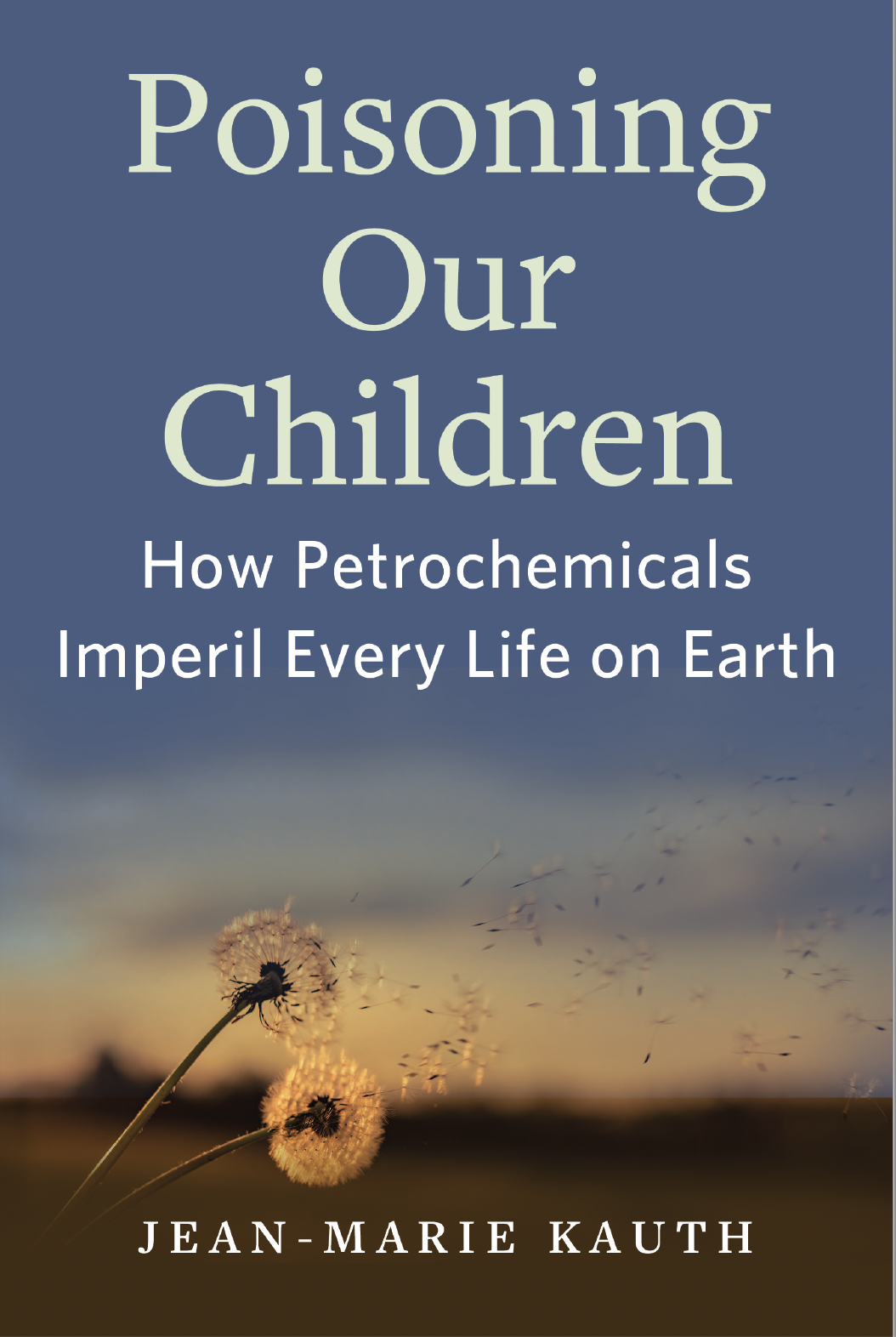
Dr. Bruce Lanphear’s latest blog asks a question I raise in my next book, Poisoning Our Children, under development with Johns Hopkins UP: when does the petrochemical industry’s knowing poisoning of the populace, of our children—with the almost complete complicity of our government—become murder?
He lays out the logic of this question: “When a corporation markets or emits a chemical it knows to be harmful, conceals evidence of its toxicity, and delays regulation for decades, what do we call the resulting deaths? Accidents? Tragedies? Externalities? Or something closer to collateral damage—losses quietly absorbed by families, communities, and entire generations so that the gears of the economy can keep turning.” He points out that though the causes of chronic disease seem slow and silent, their results are violent and vicious, on both an individual and a societal scale.
When Katherine was diagnosed with leukemia, she was already on the brink of death, and indeed we knew of several children who bled out before they could begin treatment. They cut a hole in her sweet immaculate chest and inserted a port. They gave her the needed prednisone, and her face and tummy rounded. Every three weeks, she went for chemo—poison thrust into her veins—like she hadn’t had poison enough. Don’t get me wrong. I treasured, I loved her doctors. But that was all they could do for her. Cut to her eighth year. There was no longer anything anyone could do. Treatment had failed. I had to try to explain to my darling brilliant daughter how slim her chances were in language that was nevertheless positive: “honey, I hope you will be the third child to survive a second transplant,” delivered with confidence and love.
Imagine having to say good-bye to your eight-year-old child, your magnum opus, your best beloved, your sensitive prodigy. You say, “sweetheart, you have been….” She won’t hear it. You can’t say it. It is so, so wrong. She lays silent and struggling for breath on the pink fairy-strewn cover of what will become her deathbed while you read aloud favorite books she will never have time to love. You cry silent tears through Little Women, not sure she hears. One morning, very early, you wake and utter these horrific words: “I don’t think she is breathing!” Life is a grey, ashen landscape, bereft of joy and meaning. You must continue on regardless.
I just want everyone who has a child to consider this…. And consider whether that single-use plastic is so essential, whether a weed-free lawn is really worth it, whether they really need to take that vacation to Hawaii or buy that outfit on Shein. Whether we should continue to sponsor the corrupt billionaires who have captured our democracy and are destroying our planet. What would you not give up, I ask my students, to make it less likely your child will die of cancer or some other dread disease?
I personally have no doubt whatever that it was inadvertent exposures to chemicals—chemicals we deliberately strove to protect our children from—that caused my daughter’s death from leukemia. I was an excellent clinician of her insidious exposures and resulting illness. Manslaughter, homicide, murder? The word matters less to me than the carelessness with which we—distracted and diverted by the newest tech toys and Amazon buys—are providing the petrochemical industry complete impunity to kill our loved ones.
It seems to me that we may be on the brink of a rising chorus of such accusations, a rushing torrent of recognition that the emperor has no clothes, that we have been willingly sacrificing the lives of those most precious to us so that the filthy rich can grow ever filthier and ever richer. “How much money do you need? It’s never enough. When you have an empty soul, it is never enough,” UCSF’s Dr. Tracey Woodruff says. Bruce criticizes feeble regulatory efforts: “This is the anatomy of delay: a system designed to look careful while quietly authorizing decades of unnecessary harm…. We treat these [deaths] as genetic defects or private misfortunes. They are not. They are public failures—the predictable result of a regulatory system built to protect the short-term economy, not human health.” Every trace of these meager protections is currently being erased by the Trump administration, elected partly as a result of blatant billion-dollar bribes from the petrochemical and tech sectors.
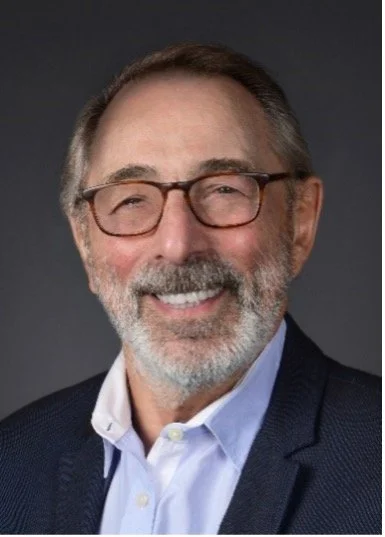
It is bittersweet but important that someone as well-credentialed as Bruce Lanphear is finally pointing out the obvious: “every death from regulatory delay is a preventable death. Every chronic illness from long-ignored exposures is a form of societal negligence.” Before him came Rachel Carson and Sandra Steingraber, who said that “When carcinogens are deliberately introduced into the environment some number of vulnerable persons are consigned to death.” I have been seeking a book contract in order to tell our part of this story since 2012, but I don’t think society was then open to hearing that message, especially not about a child. Now, the evidence is more obvious than ever. Most of my students have some story of tragedies wrought by cancer, autism, autoimmune disease, and other environmental illness—or the accelerating onslaught of climate change.
In my forthcoming book, I capture a panoply of voices that tell it like it is, including my daughter Katherine’s—age eight, but clever and clear-sighted enough to see what adults who should have been protecting her apparently did not: we are poisoning our children.
Read more from Bruce at https://blanphear.substack.com/p/the-long-poisoning