I was volunteering at Habitat for Humanity in Michigan with my Scholars last week, when I was asked to submit comments to UNHRC’s Advisory Committee on the Human Rights implications of plastic pollution. This is what I tapped out on my phone amidst a busy flurry of brilliant students and happy chaos. Thanks to student Isabela Alvarado for her quick review.
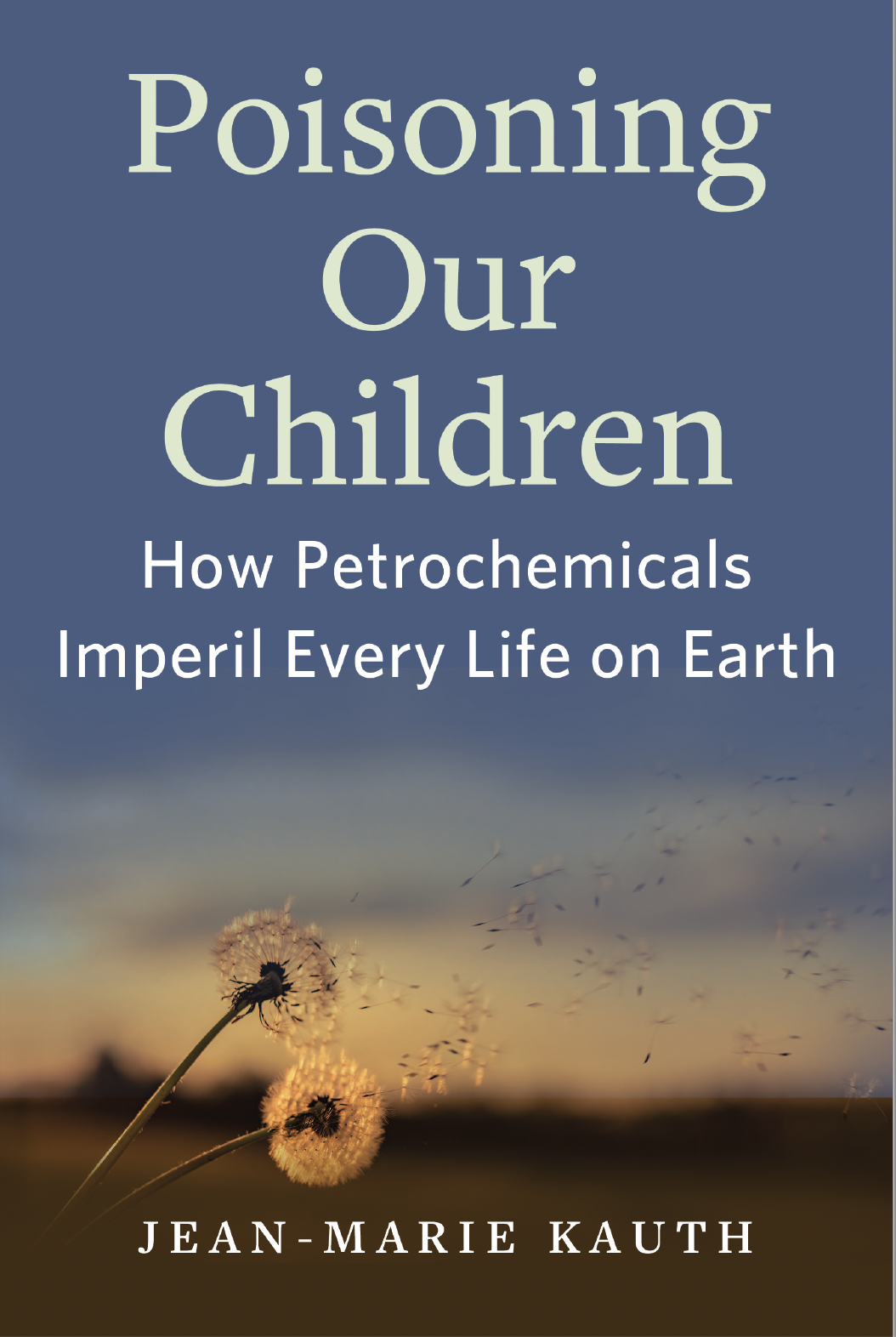
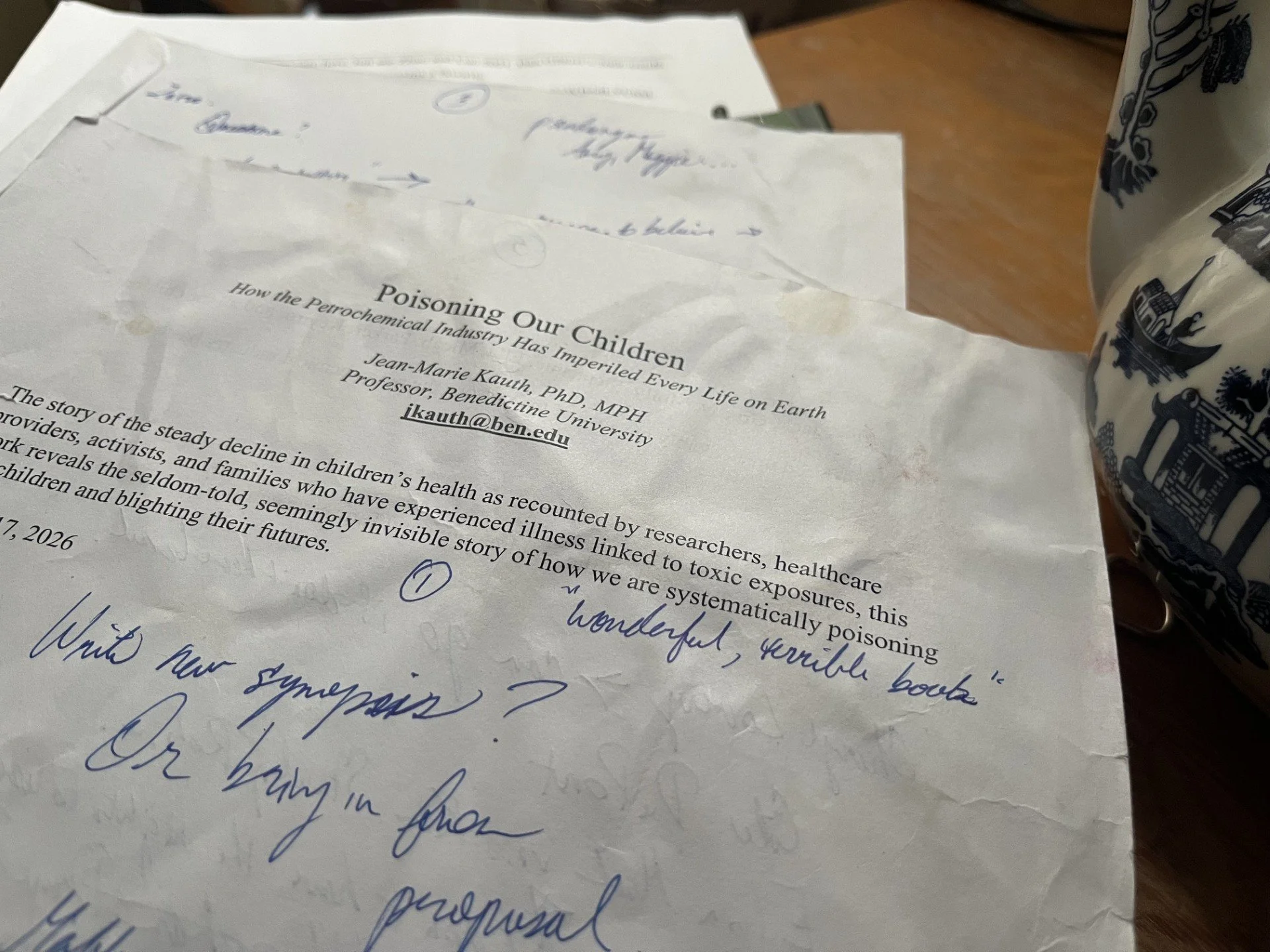
I write in my personal capacity as a professor, a member of the public health community, a mother who has lost a child to environmental contamination, and the author of Poisoning Our Children: How the Petrochemical Industry Has Imperiled Every Life on Earth, forthcoming from Johns Hopkins University Press early 2027.
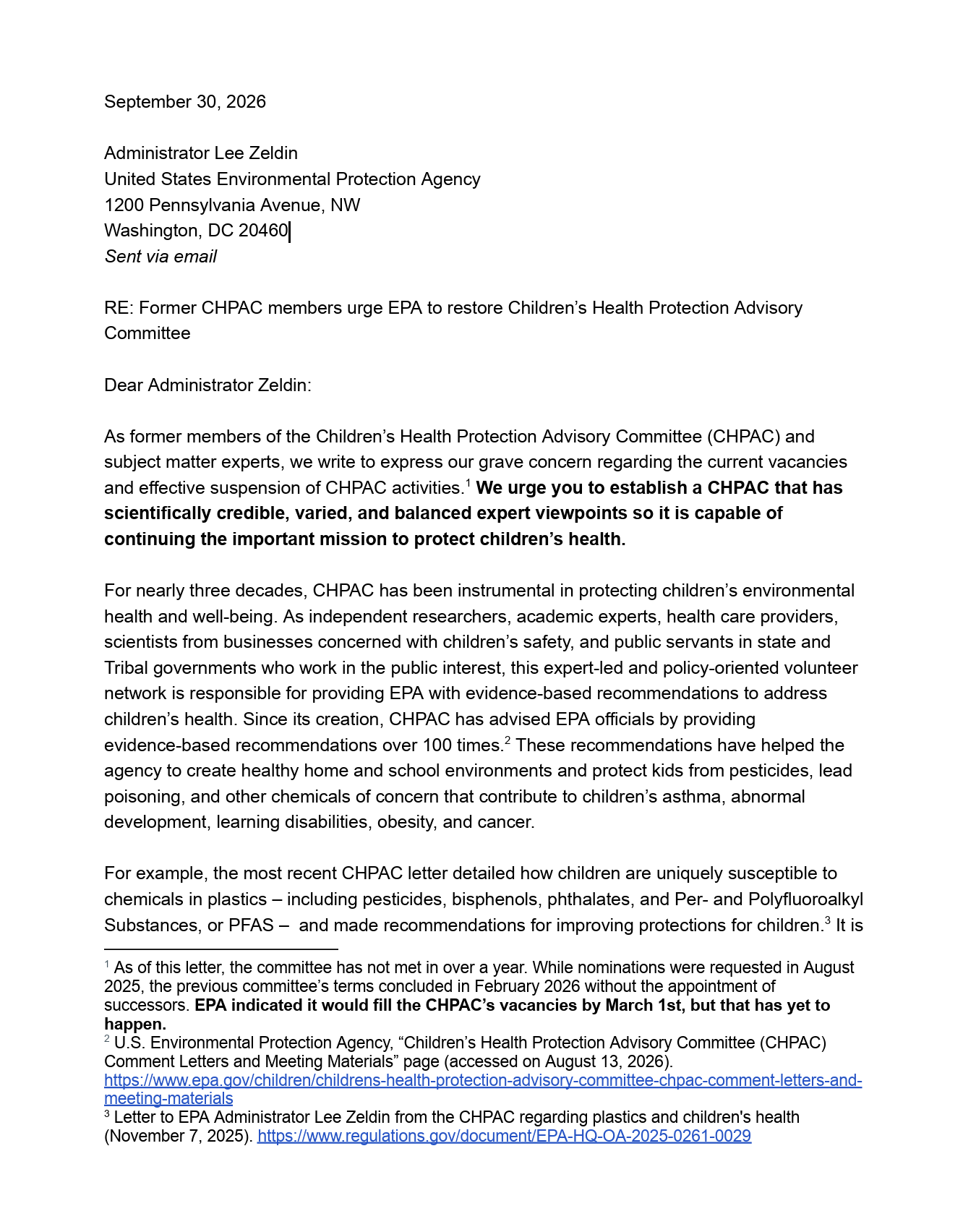
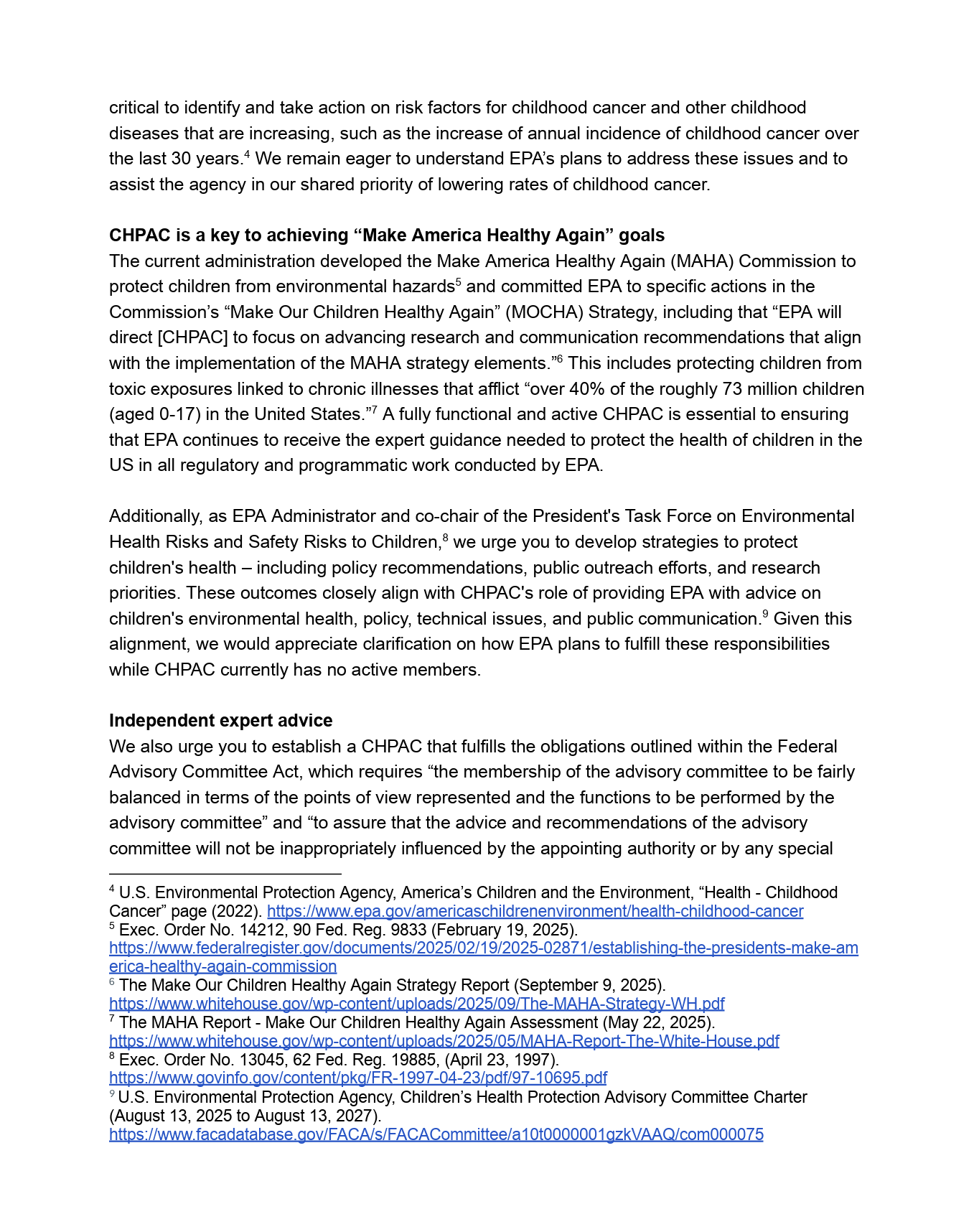
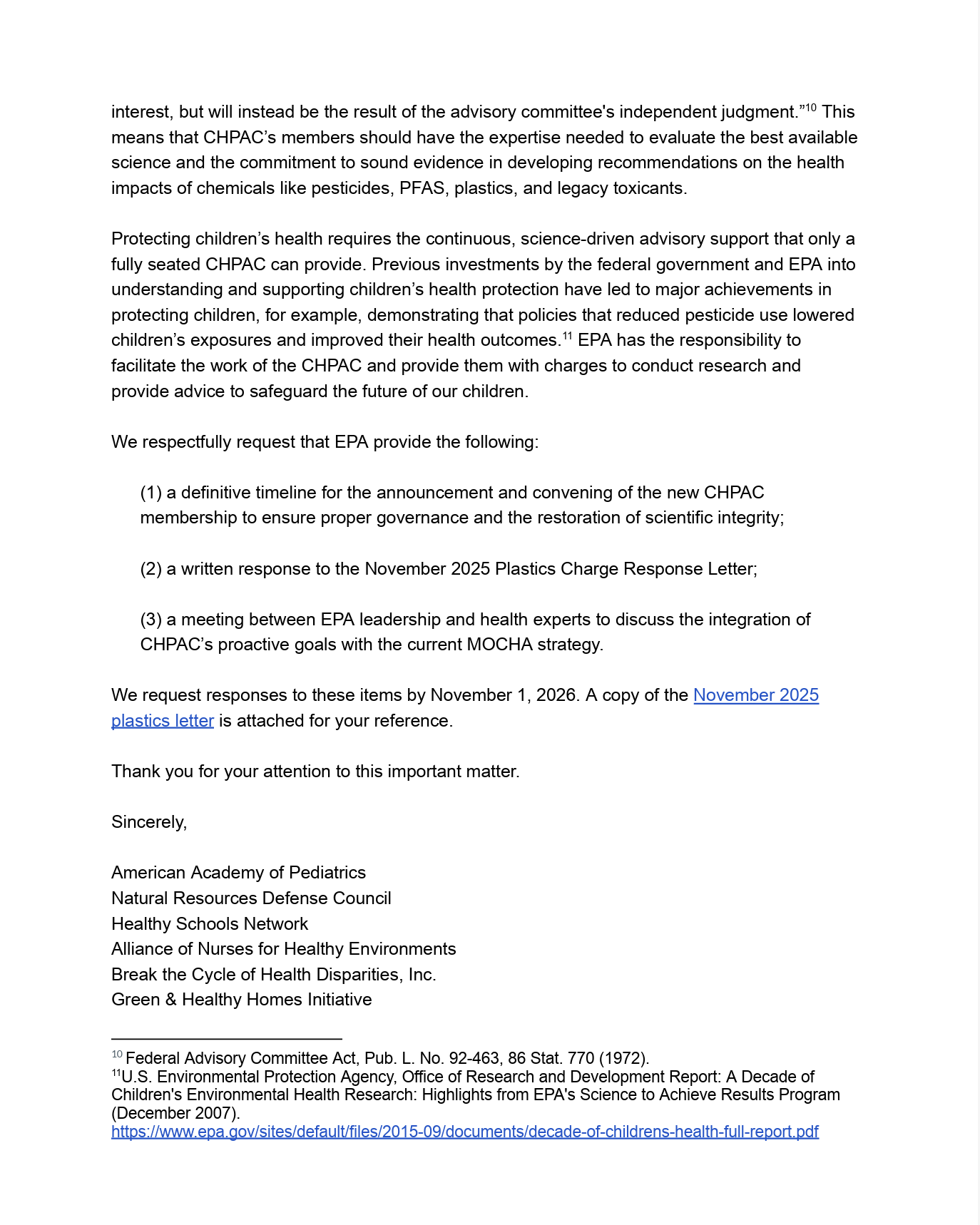
In addition, and foremost, as a member of the Children’s Health Protection Advisory Committee to the EPA, I am eager to draw your attention to the CHPAC’s recent letter on plastics.
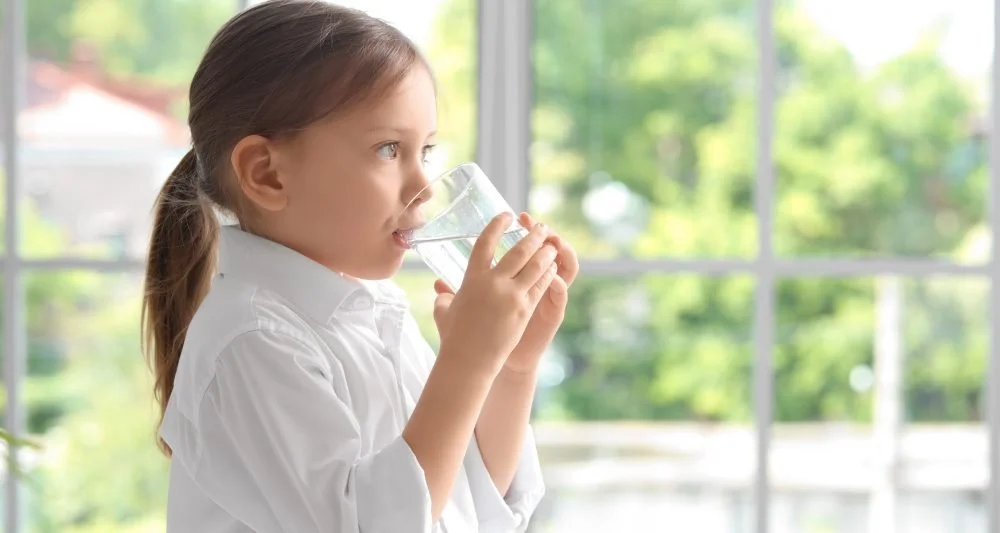
Plastics harm children’s health. Plastics harm those who are most vulnerable in our societies, from families living in fenceline communities to fetuses in the womb. Pound for pound, children eat more food, drink more water, and breathe more air than adults. Young people have longer latency periods in which to develop disease. They have immature metabolizer systems so that they are effectively exposed longer to environmental chemicals they ingest, absorb, or breathe in. Children are immersed in a sea of plastic that is completely unprecedented in the history of humankind—and the world.
UCSF’s Center to End Corporate Harm has identified how the petrochemical industry is employing the tobacco industry playbook in an effort to distract from the known harms of plastic and associated chemicals. I have seen first-hand how industry representatives at the EPA and elsewhere hobble regulation of plastics and toxic chemicals and hamper research into their health harms. They disseminate disinformation and deploy red herrings. They purchase politicians and corrupt the democratic process. As a result, there is minimal regulation of chemicals in the US, including those used in plastic production, resulting in 40% of American children suffering from chronic conditions related to toxic exposures. On this, the Make Our Children Healthy Again Strategy Report and CHPAC agree.
Petrochemical industry actions have utterly violated the human right to bodily autonomy via ubiquitous toxic trespass. When 100% of placentas are testing positive for microplastics, it becomes impossible for any individual to refuse exposure to plastics and their associated chemicals from conception onwards. Even those who make efforts to avoid plastic products are exposed to nano-and microplastics in soil, air, food, and water, and early studies on harms are alarming, to say the least.
More than sixty years ago, Rachel Carson argued that people should have a right not to be involuntarily poisoned in their own homes. My family’s right to life, liberty, and security of person was grossly violated by exposure to toxic chemicals in our home without our knowledge or permission. My daughter Katherine died from leukemia that we have every reason to believe was caused by those exposures. Now, every person’s right to bodily autonomy is likewise violated, by plastics and the chemicals loosely bound within polymers.
Please refer to the recommendations in the CHPAC letter. Under my own aegis, I would add that I do not believe that industry representatives and lobbyists should be appointed as voting members of federal advisory committees, nor agencies that purport to regulate the industries they represent.
I further recommend that to the extent possible, the right to a clean environment, freedom from toxic trespass, and the precautionary principle be codified into international standards.
The best way to protect children is to eliminate the most toxic formulations and reduce plastic use and production to essential uses. It is inherently wrong that this generation’s conveniences are permanently poisoning every ecosystem on Earth and every future generation of children. From the perspective of children alive today, the intergenerational injustice of plastics will be unforgivable.
Sincerely,
Jean-Marie Kauth, PhD, MPH