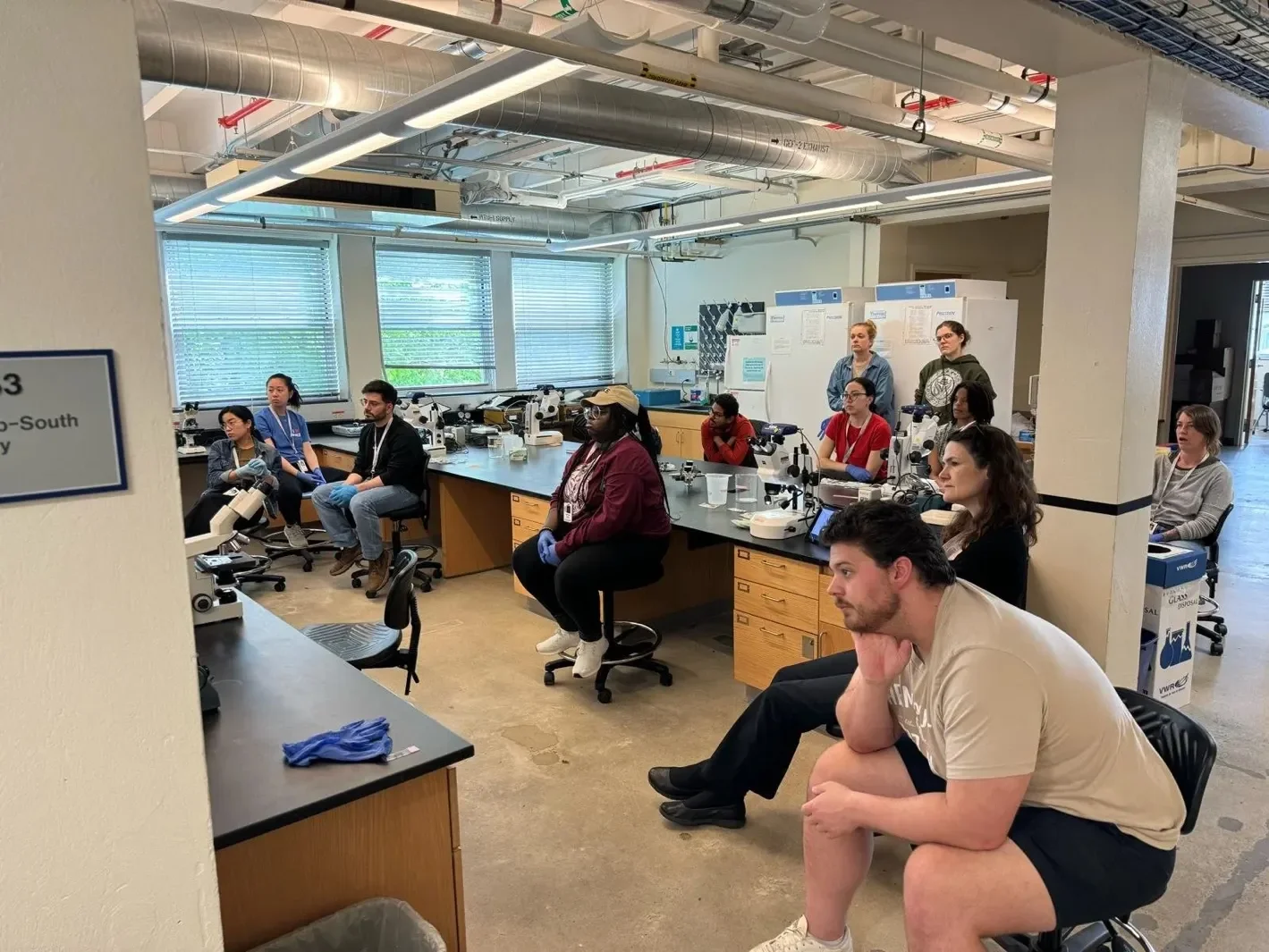
Perched on the cusp of Cape Cod, the Marine Biology Laboratory (MBL) at Woods Hole routinely welcomes select groups of scientists and advanced students in rigorous weeks-long courses to explore important questions in biology, biodiversity, and the environment.
In the summer of 2024, I joined an extraordinary group – including experts in epidemiology, molecular biology, chemistry, and public health – all focused on the question of how Endocrine-Disrupting Chemicals (EDCs) are altering ecosystems and our health. The ECHO (Endocrine-Disrupting Chemicals: Hazards and Opportunities) faculty were all-stars in the field, including some who first identified chemical culprits like BPA. The thirteen students they taught were mostly graduate and medical students from Harvard, NYU, Wayne State University, UIC, University of Arizona, Carnegie Mellon, the University of Pennsylvania, Tehran University, and all places in between.
Our team immediately bonded, lasering in on various approaches to a shared problem: insidiously pervasive EDCs, found in air, water, soil, and every human and other animal on Earth. Estimates of disease burdens caused by these chemicals are devastating and likely underestimated. Despite the drear topic of the seminar, fun was had and friendships made. The substance of a new opinion piece we just published was written late one night on a white board, after an already intense day of study and side conversations, in lieu of another cut-throat game of Pictionary.
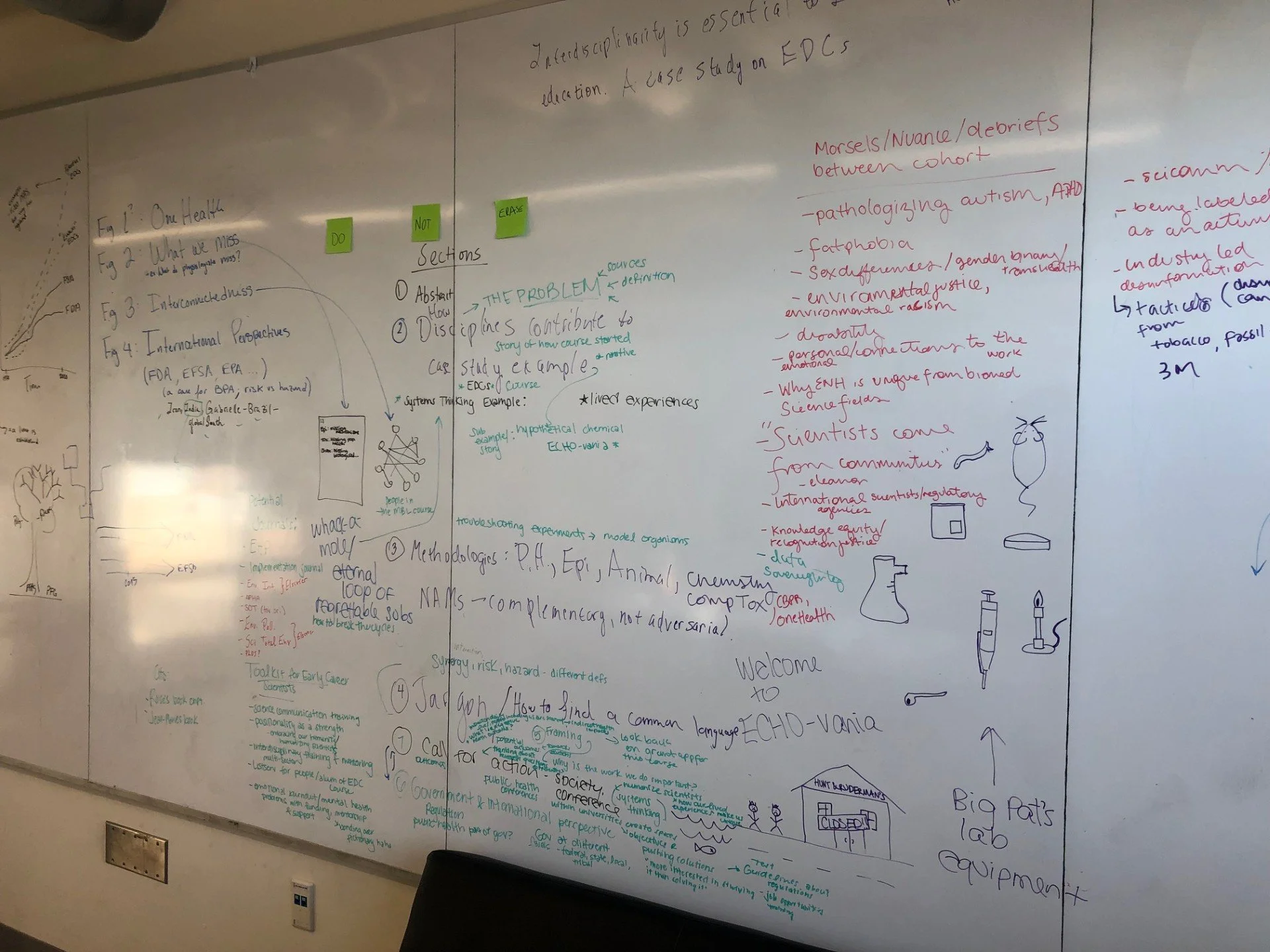
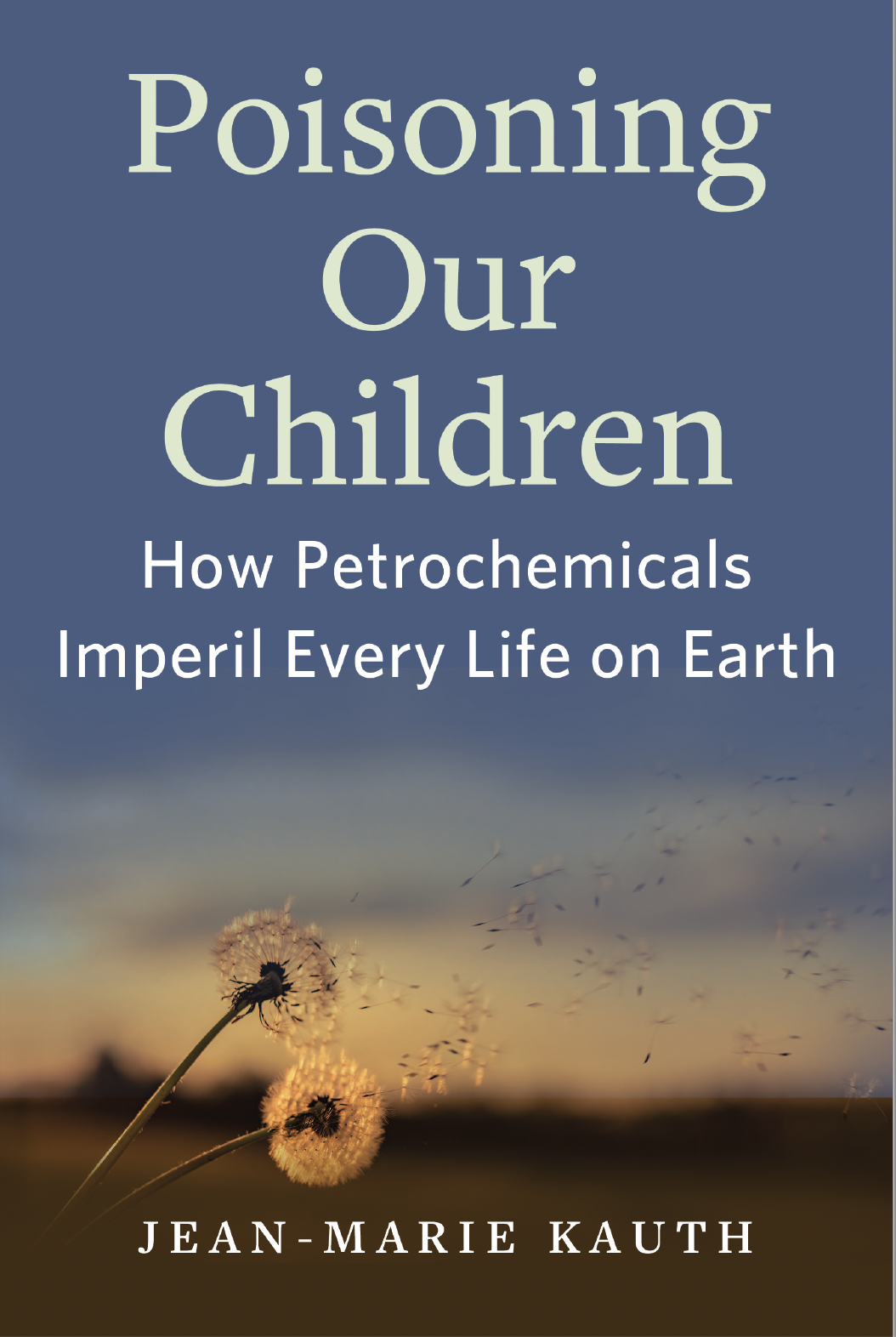
We were haunted by the baffling question at the center of this course. If, as we know, these chemicals increasingly contaminate humans and other creatures from the moment of conception onward, causing infertility, birth defects, miscarriage, hormone disruption, diabetes, obesity, depression, lower IQs, cancer, and more, why is society not doing more to prevent these diseases? What can we in science, medicine, public health, and advocacy do to counter the corrupting power of chemical industry leviathans? One answer is described in my forthcoming book from Johns Hopkins.
Another major answer was – more of this: more conversation across disciplinary and professional boundaries that most of us never cross. More community focused on solving the worst problems we confront as a species. Less siloing off in our own departments. Less attending only our own conferences.
Drs. Pat Hunt and Joan Ruderman, already legends in the emerging EDC field and our faculty in chief, first imagined this seminar as a way to bring explorers in the field together to learn a common language, to tackle a common problem from disparate vantage points.
Early on during the seminar, Dr. Hunt related how she initially made the discovery about the toxicity of BPA from the cages that held and the plastic water bottles that fed her mice. It is a famous story about an accidental discovery that changed the course of her career and eventually raised enough awareness to get BPA (though not other bisphenols) out of baby bottles. She also described for us the challenges she experienced handling the sudden attention from media – and industry representatives. She emerged with a deep understanding about how important clear communication can be.
After only twenty-four hours in the course, students remarked how it felt like we had already been there for weeks. We predicted, accurately, that that feeling would change – that time would accelerate and seem to speed toward an end we would lament, given how close we already felt. It seemed to many of us that time was dilated by the intensity of our learning and the immediacy of the connections we built, each one feeding the other. And this is the kind of powerful attention that problems like chemical contamination deserve, given their ability to threaten all life on Earth.
Many of us were dazzled by the intellectual ferment of the course. We were privy to insights that are discussed in whispers at conferences but not in papers. We bonded not over commonalities, but over convergence towards solving a common problem and having a common purpose. Together, we were able to engage in systems-level thinking that we would not have been able to achieve singly. While it was true that we were building a network in terms of making connections, it was more than the usual career-oriented positioning. Rather, we recognized that our network and others like it should be used like a human neural network, able to make associations beyond our individual capacities, not unlike the idea of noosphere, originated by systems-level thinkers like Pierre Teilhard de Chardin, James Lovelock, and Lynn Margulis.
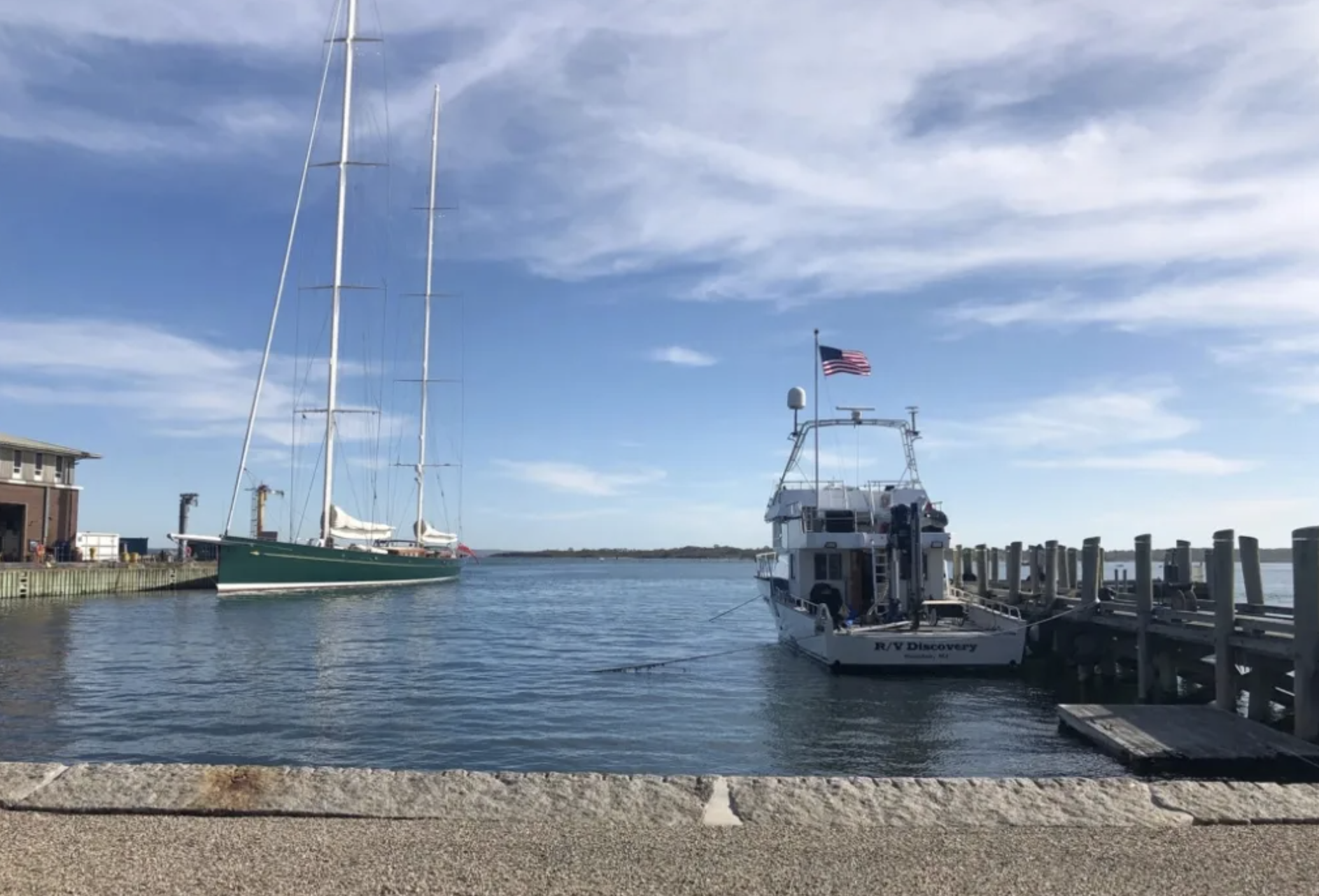
Sitting at long rectangular tables or around intimate round ones in the cafeteria, gazing out at sailboats swaying gently over Eel Pond, we felt a sharp contrast with the content of our lectures and labs. The pond, a small expanse surrounded by Cape-Cod-cute houses and a backdrop of newly green-flushed maples, sat just meters away as we learned more about the ubiquitous sources of chemical contamination and profound effects of PFAS, BPA, phthalates, pesticides, and other chemicals on every human’s health. We understood that the placid waters below, the fertile soil, the cool air of an ocean breeze are all contaminated with micro- and nano-plastics that are in turn contaminated with EDCs, yet there was no denying the beauty in the world before us. We also knew how imperiled is this place just a few feet above sea-level. This legendary research facility has hosted illustrious scientists since 1888, and yet in the rest of the world, little has been done to counter the polycrisis of climate change, toxic contamination, and ecosystem loss. Cognitive dissonance and cultural constraints make such contrasts difficult to process.
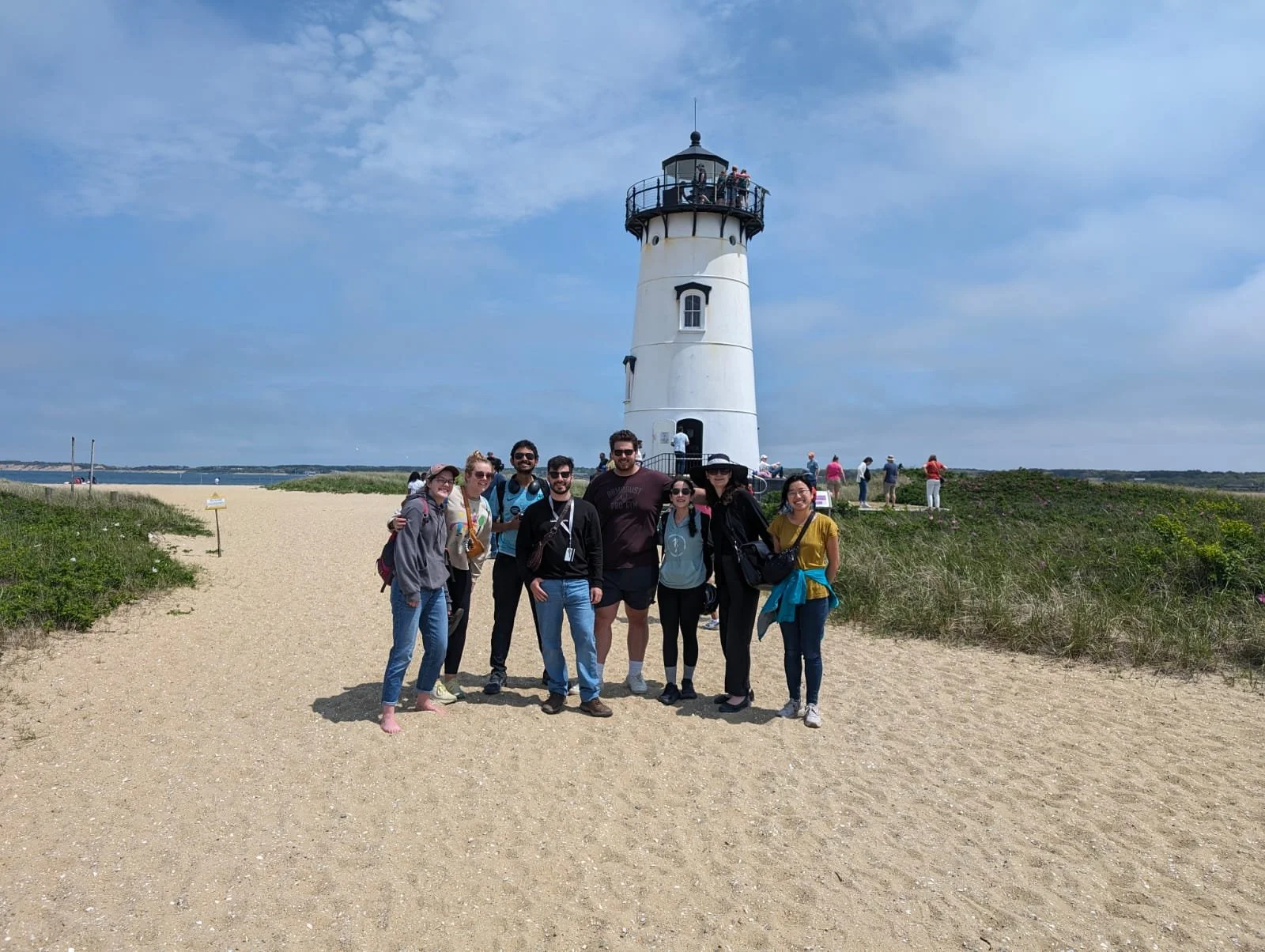
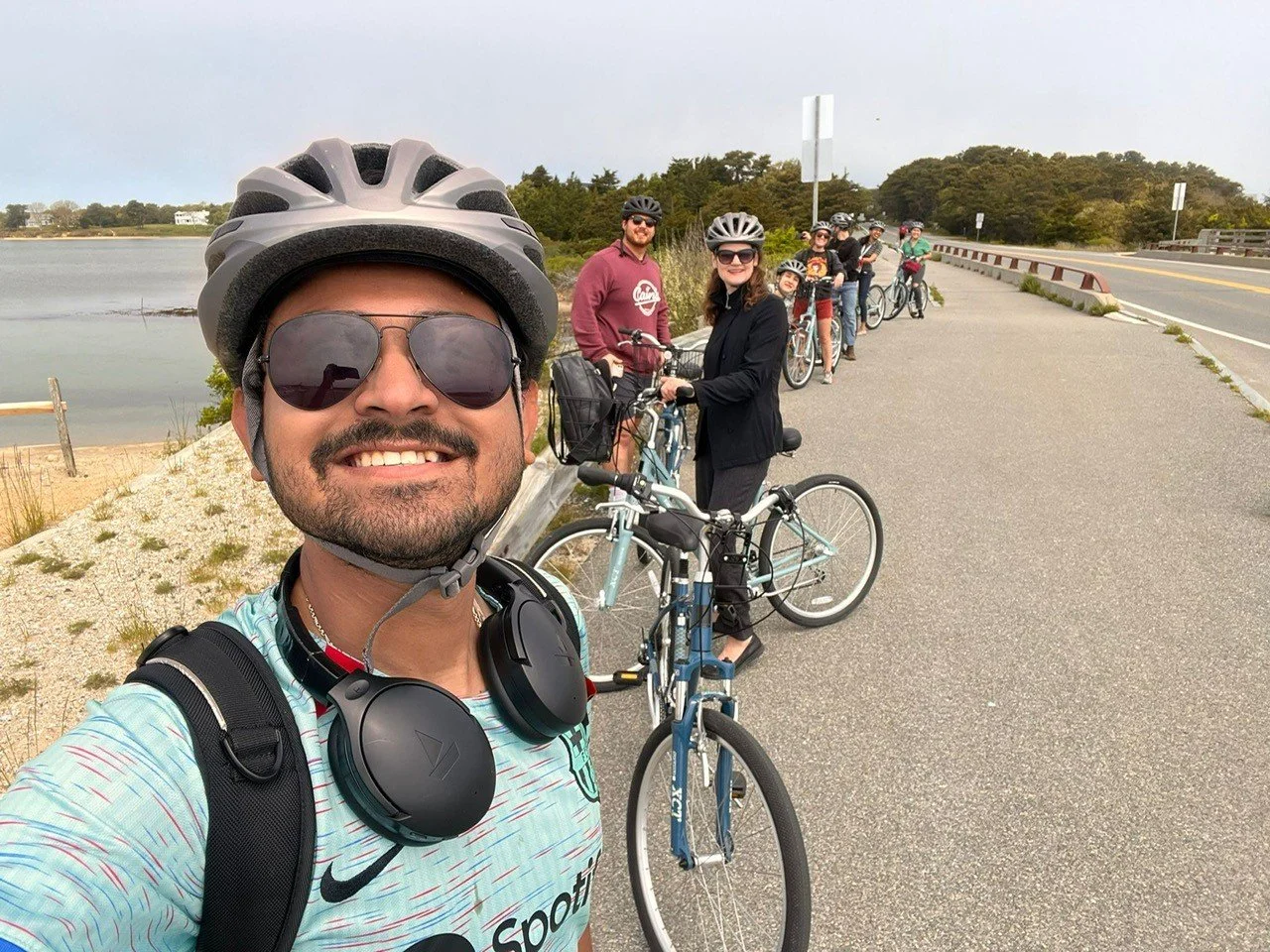
All participants were already focused in some way on the problem of EDCs.
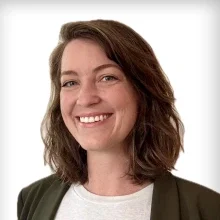
My roomie, Dr. Jenna Honan, shared her serious health effects from probable exposures where she grew up in an industrial area of Arizona near the Colorado River -- most recently, in an impressive and beautifully written article in Journal of Exposure Science & Environmental Epidemiology. The same company that harmed the health of one the families from Illinois I interviewed for my book – Kerr-McGee – also polluted Lake Mead and the Colorado River with perchlorate. As an antidote, she and her mentor, Dr. Frank von Hippel exposed us to research that employs the One Health model.
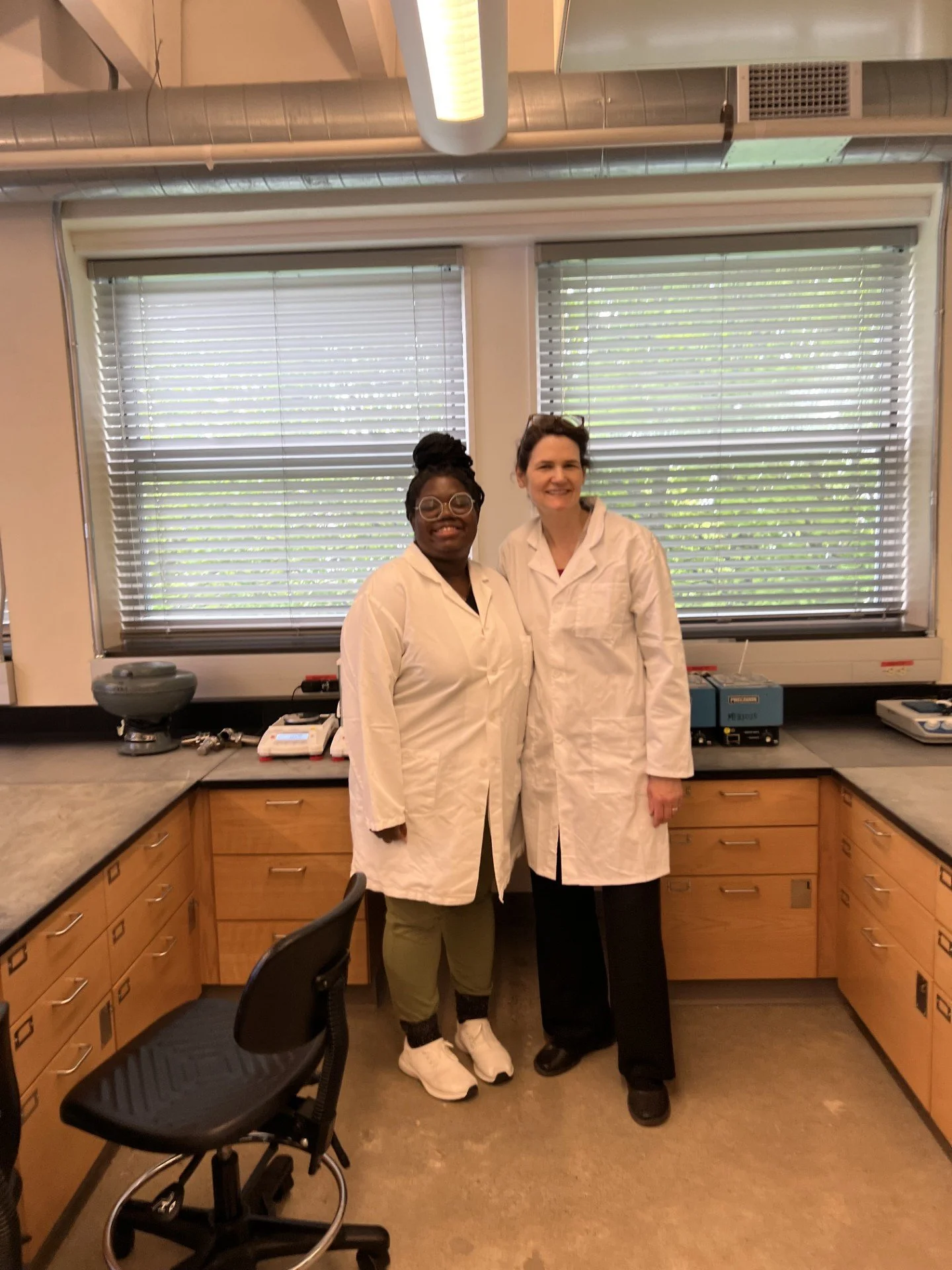
Dr. Gabrielle Webb, from Harvard University’s Biological Sciences in Public Health, took it upon herself to win us over to her model organism, C. elegans – an almost microscopic worm whose simplicity and near-transparency makes it an ideal subject for experiments that mockup endocrine dysfunction in humans. In the lab, we examined the effects of these chemicals on male and hermaphroditic worm gametes. By the end-of-course party, we were dancing to an improvised worm music video.
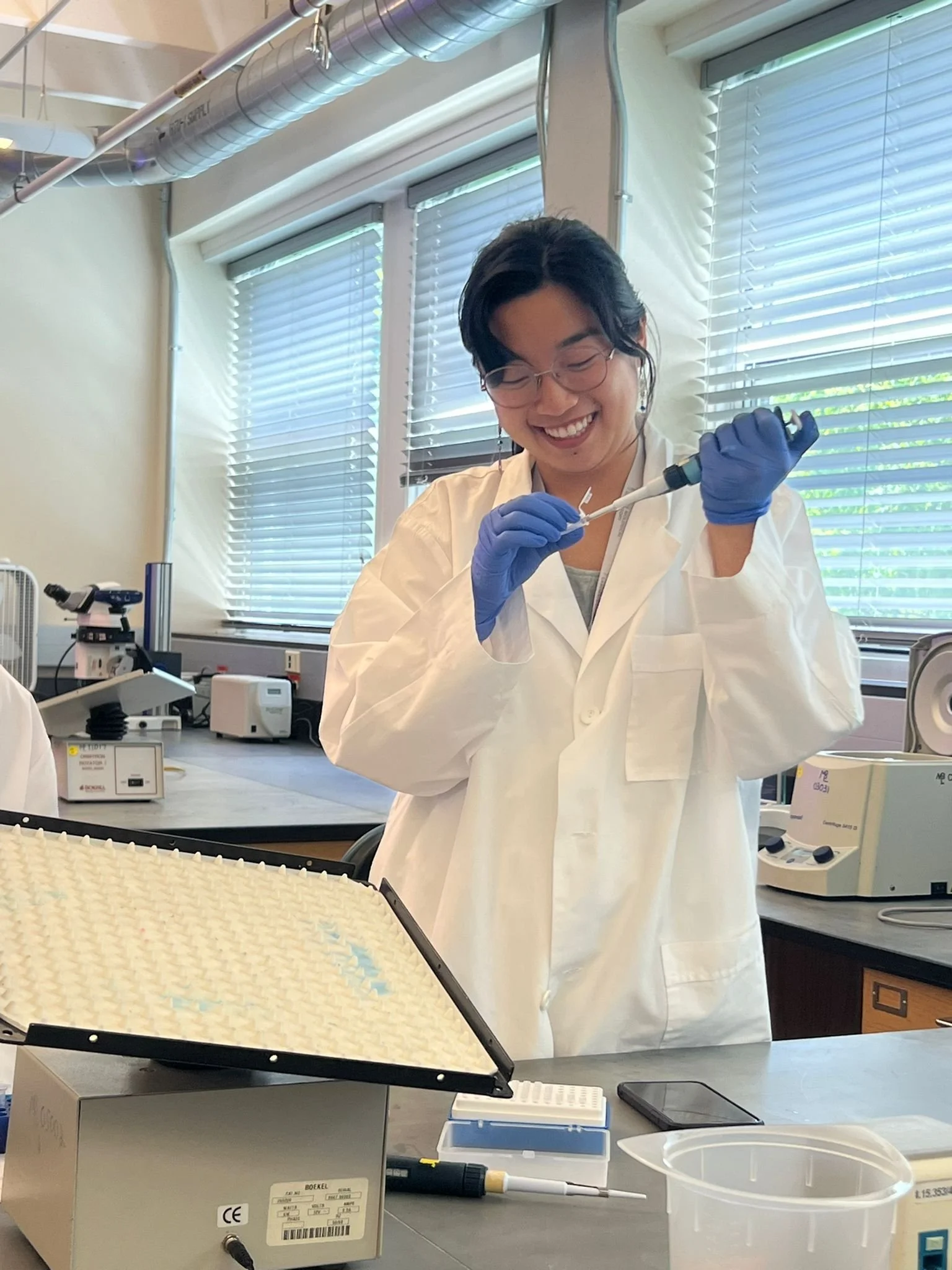
Rose Albert, a graduate student in Pharmacology at the University of Pennsylvania, took the lead in facilitating discussions and organizing regular Zoom meetings in the two years since the seminar. Dr. Patrice Delaney of Harvard and Yale took us through each (re)submission and reformatting.
Each personality in such a group matters. But perhaps what matters even more are the juxtapositions among our carefully cultivated epistemologies and perspectives. A gathering like this has the potential to, as Albert Schweitzer has said, “rekindle the inner spirit.”The flint of lively conversation struck against the steel of varied disciplines and backgrounds ignited intellectual sparks.
Research shows that the greatest impacts in scientific research are made when individuals from outside the field interact with those inside the field. In science and other disciplines, the focus on communicating within teams of people naturally shapes a similarity in worldview and crafts a common language. Bridging those disparate views and languages is essential but often neglected. A 2023 article published in Nature summarizes findings showing that surprise produced by collaborating across disparate teams of scientists produces greater impacts and more significant gains in thought than work within groups: “This implies that abduction [experience disrupted by surprise] is routinely social, where scientists from distant fields achieve substantial impact in advancing on a topic or challenge by bringing them into conversation with alien insights and perspectives.” Perhaps this is one reason MBL has such a storied record of scientific innovation, including numerous Nobel prizes.
Some of us arrived at MBL to study EDCs serendipitously; others knew faculty and fitted the seminar into a careful plan of study. Some also have personal reasons for wanting to explore the topic of EDCs: family lost to cancer, infertility, thyroid dysfunction, personal suffering from health effects ranging from endometriosis to diabetes, strange symptoms echoed in the literature on EDCs. What seems key is the insight that learning is social – and emotional. It is a mistake to, as industry has done, harden one’s heart to consequences to human health and wellbeing.
Any pretense that scientists and policymakers are impartial and able to eliminate all bias and point of view is folly. Just as we cannot expect industry representatives will make decisions uninfluenced by their paychecks – Upton Sinclair’s observation that “it is difficult to get a man to understand something when his salary depends on his not understanding it” -- so scientists are human and have particular experiences. When transparently acknowledged, these experiences can spur rather than stifle innovation for the benefit of the common good. Scientists come from communities: positionality is not only essential to understanding diverse perspectives but also instrumental in making unique discoveries. This is one reason diversity among scientists – by gender, race, background, sexual orientation, ability, region, and generation – as well as conversation across fields, is essential.
One conviction with which Ruderman and Hunt began this course is that we must not only talk among ourselves; we must also communicate out. It is essential to translate these conversations into public policy, and to share findings with policymakers and the general public in a common language. As with the wicked problem of climate change, disparate academics, professionals, and policymakers should be compelled by the imperatives of the crisis to communicate better together.
Most MBL courses are designed to break down a problem, learn a technique, and take it home so that an individual lab benefits. But this course embodies the reverse of atomization. It is designed to take a step back and look at the big picture, to consider not only ethics but also communications with the broader public so that they can consider the ethics of endocrine disruption imposed on them by industries that have never obtained their informed consent, never shared just how severe the contamination has been and how long they have known that their chemicals have trespassed into every body, causing a wide array of health effects.
One solution to the language disparities among disciplines and lack of communication with the public is the One Health approach, which considers the health not only of humans in various communities but of other organisms and ecosystems as a whole. This approach adopts an uncommon assumption: that Homo sapiens cannot legitimately divide themselves off from the rest of nature, particularly if they are going to avoid the health consequences of their own environmental depredations. A One Health approach requires different disciplinary approaches, as each person helps contribute the most important nuggets from epidemiology or chemistry or biology or public health.
We have learned that a lot of problem solving is stunted by overly isolated academic and professional spaces. We encourage thinking about how to create opportunities for interdisciplinary learning and collaboration, using the ECHO course as a case study. We believe that ECHO is an excellent example of interdisciplinarity that should be emulated more broadly. It goes beyond just having a multidisciplinary group. We also have to have a common language and systems-based thinking with which to talk about intractable problems – and then translate these conversations into public policy.
We must also be solutions focused. Human prospering demands that we solve climate change, environmental contamination, and biodiversity loss. How can we leverage working better together across our different fields to drive meaningful change in the form of safer chemicals for all? How can we impose more stringent chemical regulation and testing to both clean up the toxic soup we have now and innovate better chemicals entering the market going forward?
Interdisciplinary Work + Community Involvement = Transdisciplinary work – or work that crosses not only boundaries within academia, but boundaries between academics and everyone else. We see this course as a model for how science could work better more generally, enfolding distinct epistemologies, like Native American ways of knowing, as in the work of Robin Wall Kimmerer and others, notably at National Science Foundation Center for Braiding Indigenous Knowledges and Science (NSF CBIKS) at UM Amherst. This is an all-hands-on-deck moment, and everything is at stake.
To learn more, visit our Toolkit for Early-Career Professionals at https://docs.google.com/document/d/1cbcD63gDGLRnePTldYCFyFczDXvNvI21_INy7SqLQBA/edit?usp=sharing.