I remember the day, not long after the tragedy of 9/11, that the head of the EPA told New Yorkers that they didn’t have to worry about the toxic contamination from two modern skyscrapers burning and collapsing in the middle of an enormous city where rescue workers were still combing through wreckage, where hundreds of thousands worked and lived, where children ate, drank, breathed, and absorbed heavy metals and toxic chemicals into their small bodies. The terrorists were responsible for the devastation, the thousands of deaths that day, and the tens of thousands of deaths from environmentally triggered diseases since. But by lying to the public, the EPA caused much more death and disease than was necessary if people had been properly warned and been able to take precautions, able to simply take their children and flee. They deserved the truth then. And we deserve the truth now.
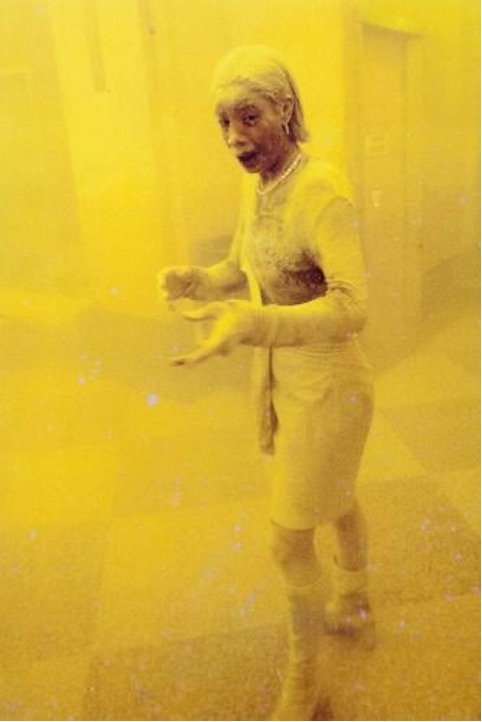
Marcy Borders, covered in dust on 9/11, died of stomach cancer she attributed to the exposure (https://en.wikipedia.org/wiki/Marcy_Borders).
When I heard the EPA’s proclamation just a week after the attacks, I ranted against the obvious untruth. But I wasn’t writing then. I was focused on caring for my two children, one recovering from a second bone-marrow-transplant for relapsed leukemia. Unfortunately, anyone who knows anything about environmental disease can and did predict the many more deaths to come. At that time, the EPA seemed like a far distant, abstract entity with few major successes within living memory. The Clean Air and Water Acts dramatically improved things, but the agency’s efficacy had faded with time.
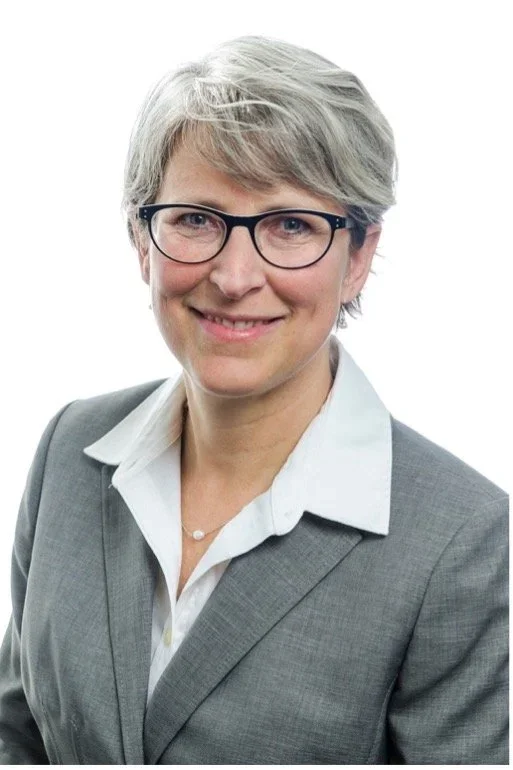
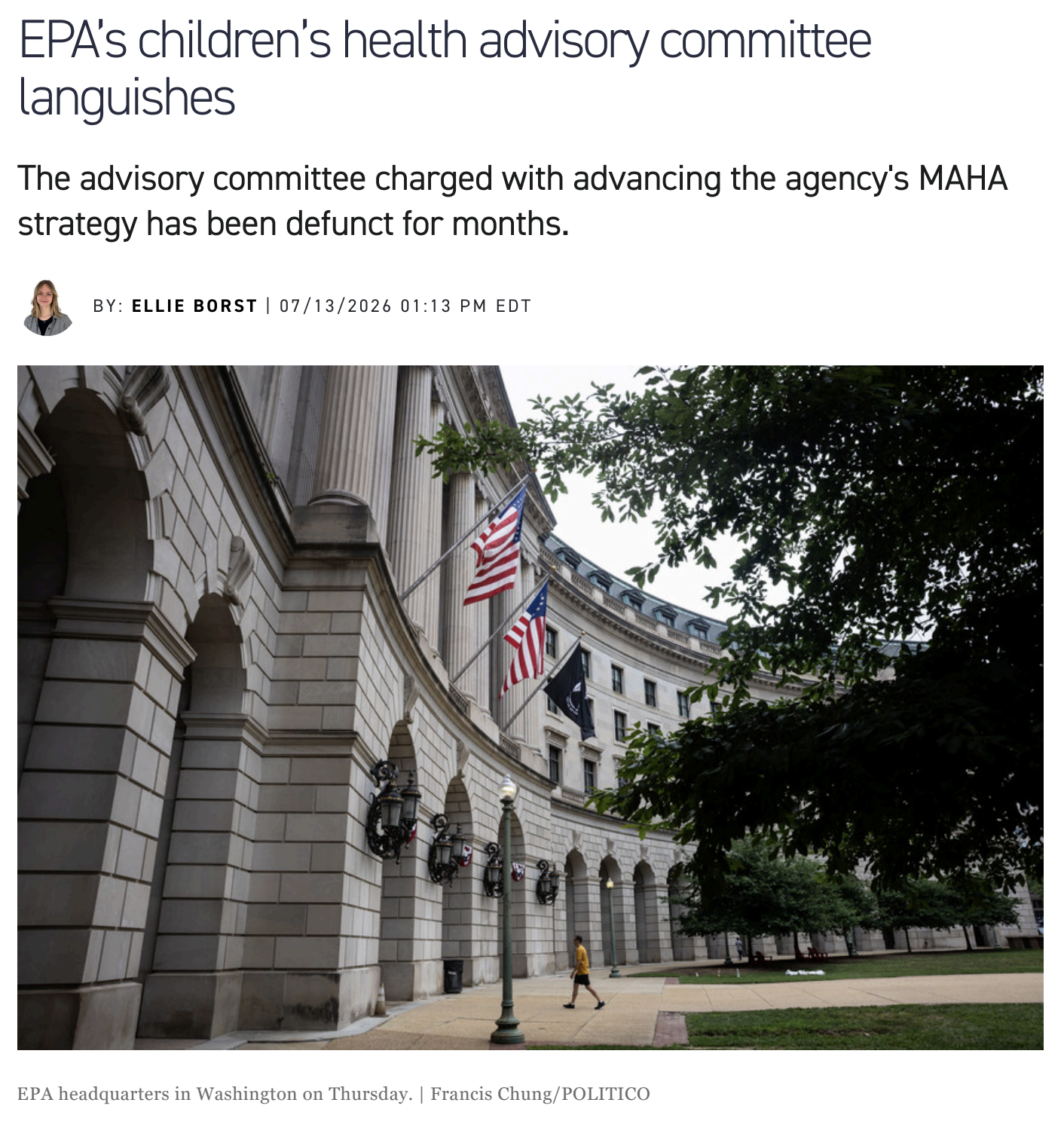
Now that I have been an adviser to the EPA on the Children’s Health Protection Advisory Committee to the EPA (CHPAC), I am even more perplexed about its recurrent failures to protect. I have met so many brilliant, dedicated people through my work there. Of course, now that the Trump administration is eviscerating the EPA and many other agencies meant to protect people, firing many of the most qualified scientists, the failures are less surprising – and more infuriating than ever.
When I applied to serve on CHPAC, I wrote that I belonged on the committee not just because of my credentials, but because our ruined lives are what happen when the EPA fails in its job to regulate chemicals. No one could care more than I do about the EPA’s mission. Clearly, some people at the EPA have wanted ordinary people who have suffered their failures to speak truth to power, or I would never have been chosen.
During the time I have served, I have been able to continually counter the lies of industry representatives on the committee. It is wrong that industry employees, current or former, should be voting members of advisory committees or political appointees in key positions of power.
Once Trump took office and appointed unqualified, anti-environment hacks to run the EPA, I was able to ask Deputy Administration David Fotouhi who was “a lawyer who has represented companies accused of harming people and the environment through pollution” what he would say to parents about why they should trust someone who had spent decades defending industry in court to protect their children from those very industries.
I was able to speak truth to power and call out the lie that people like Lynn Dekleva, who worked at DuPont for 30 years, are safe guardians in key positions like the Office of Chemical Safety and Pollution Protection, making crucial decisions about protecting our children’s health.
When Associate Deputy Administrator Travis Voyles gave a PowerPoint saying that efforts should focus on making people trust EPA regulation of pesticides more, I countered, asking, “Why would you do that? Pesticide regulation at the EPA has been a complete failure!” Is it right that people thought they were protected when they were not? Should we fool them into even greater complacency than before? No – it could be worse than if there were no EPA at all. It is a lie to say that children are protected from harmful pesticides. And it is wrong to silence the voices laying bare the truth.
The lie about post-9/11 pollution in New York City was meant to help reopen Wall Street. Many lives were sacrificed so our economic behemoths could continue generating filthy lucre. Sometimes the lies are blatant, as in 2001. Sometimes they are told implicitly or through subterfuge and distraction. Sometimes they are lies of omission. But they are still lies, told to keep people buying toxic products – and complacently voting for evil idiots bought and paid for by those industries. And real people die as a result.
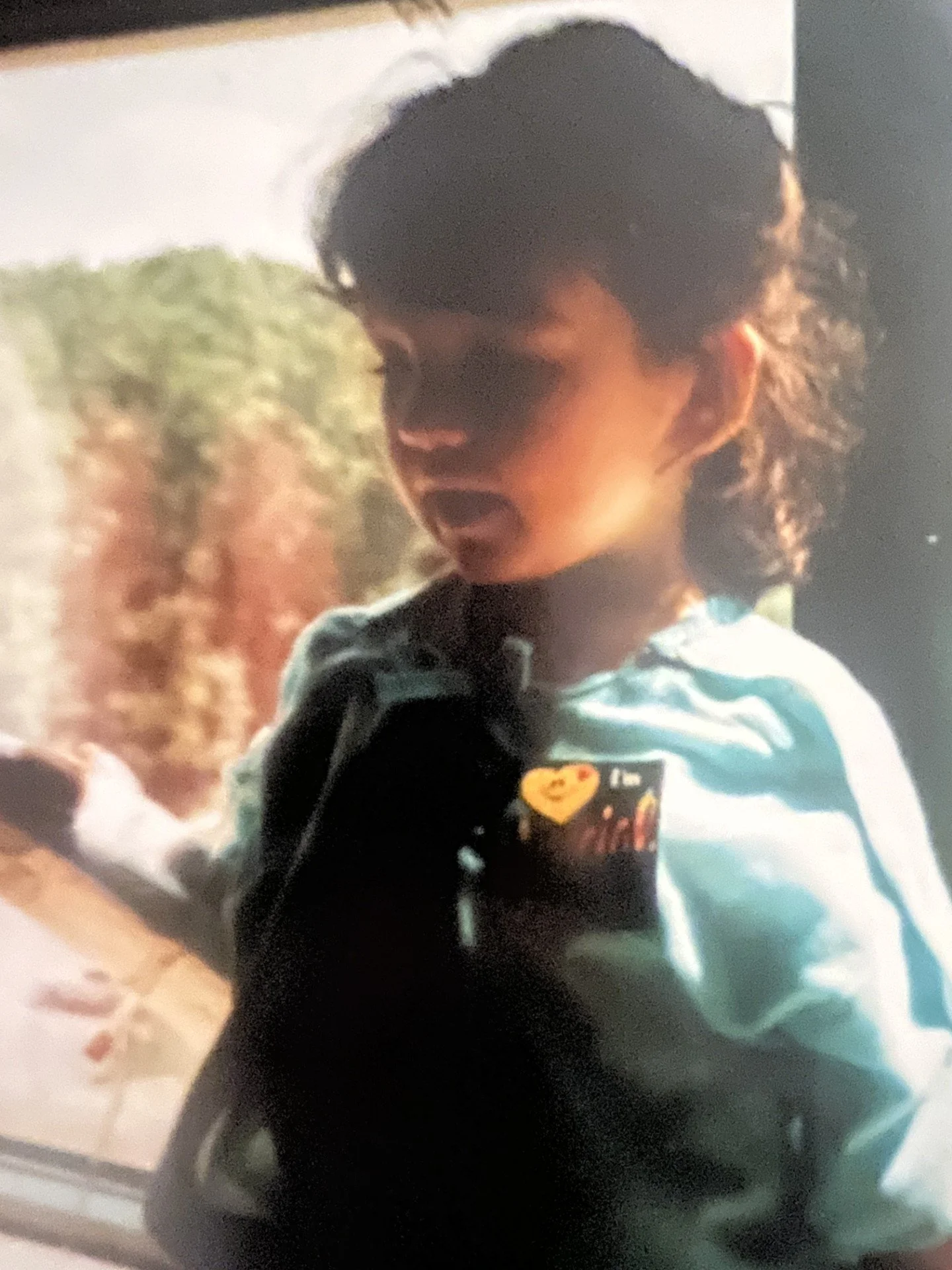
For at least since the industrial revolution first sullied skies and dirtied waters, lives have been sacrificed in this way while everyone pretends not to know the truth. Sharon Lavigne’s family and friends have suffered and died in a steady stream because of industrial exudations in Cancer Alley. Young people in farming communities like Iowa will sicken and die, while ever more new chemicals are approved, like a PFAS pesticide that we know will contribute to widespread disease and death. My daughter died of leukemia that might have been prevented if the EPA had only regulated an organophosphate pesticide, chlorpyrifos, that they knew was harmful to children. Because of the Trump administration’s malign influence on EPA, that pesticide remains unbanned even today.
At base, it is the petrochemical industry that buys politicians, that generates myriad toxics to fuel their profits, and that steadily and unflinchingly poisons all of our children.
I am heartened that more people are paying attention to the millions of deaths caused by toxic exposures. Now they need to vote the environment and reform the government agencies that are supposed to protect us.
I saw firsthand the transition between the agency under Trump and the agency under Biden, and there is no question that Democrats have earned their reputation for greater environmental health protection. Every Republican administration has resulted in more people poisoned and dead this way. Though I have always been independent and moderate, there is no comparison, and it would be misleading to make a false equivalence. It is night and day, life or death.
Although the petrochemical industry has deliberately politicized this issue, protecting health is an issue nearly all ordinary people can agree on. People need to understand that when they fight heartless industries to protect the environment, when they vote out politicians who fail to represent the widespread desire for good health, they are not just protecting ecosystems. They are protecting themselves and those most dear to us all: our children.
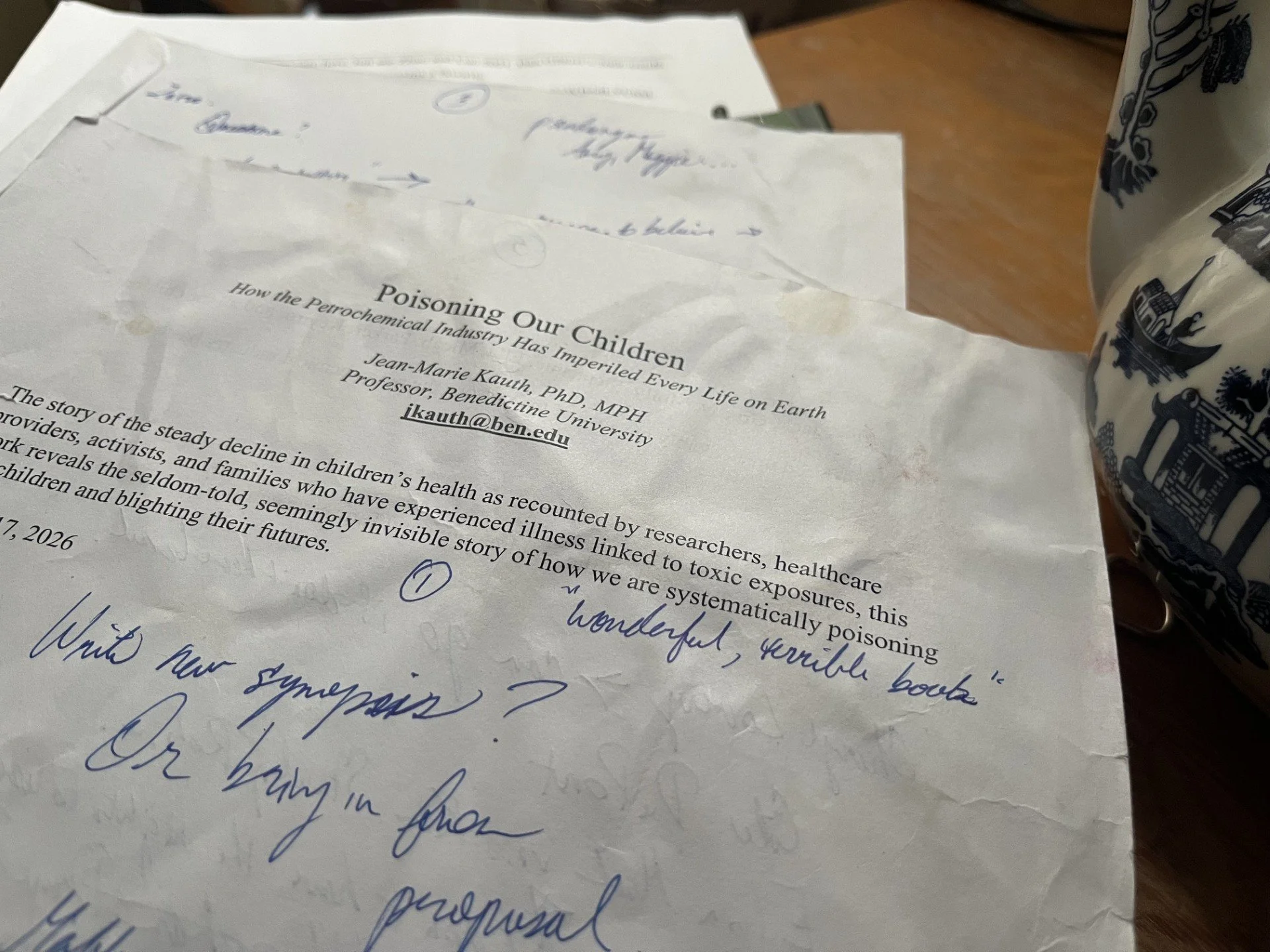
The book I have worked towards for more than 20 years, Poisoning Our Children, is now available for pre-order at https://www.press.jhu.edu/books/title/54124/poisoning-our-children
Pre-orders are hugely important, as they affect whether bookstores stock the book, how algorithms surface it, and how seriously publishers take authors. Your support matters more than you know. All author profits will be donated to Environmental Health non-profits.