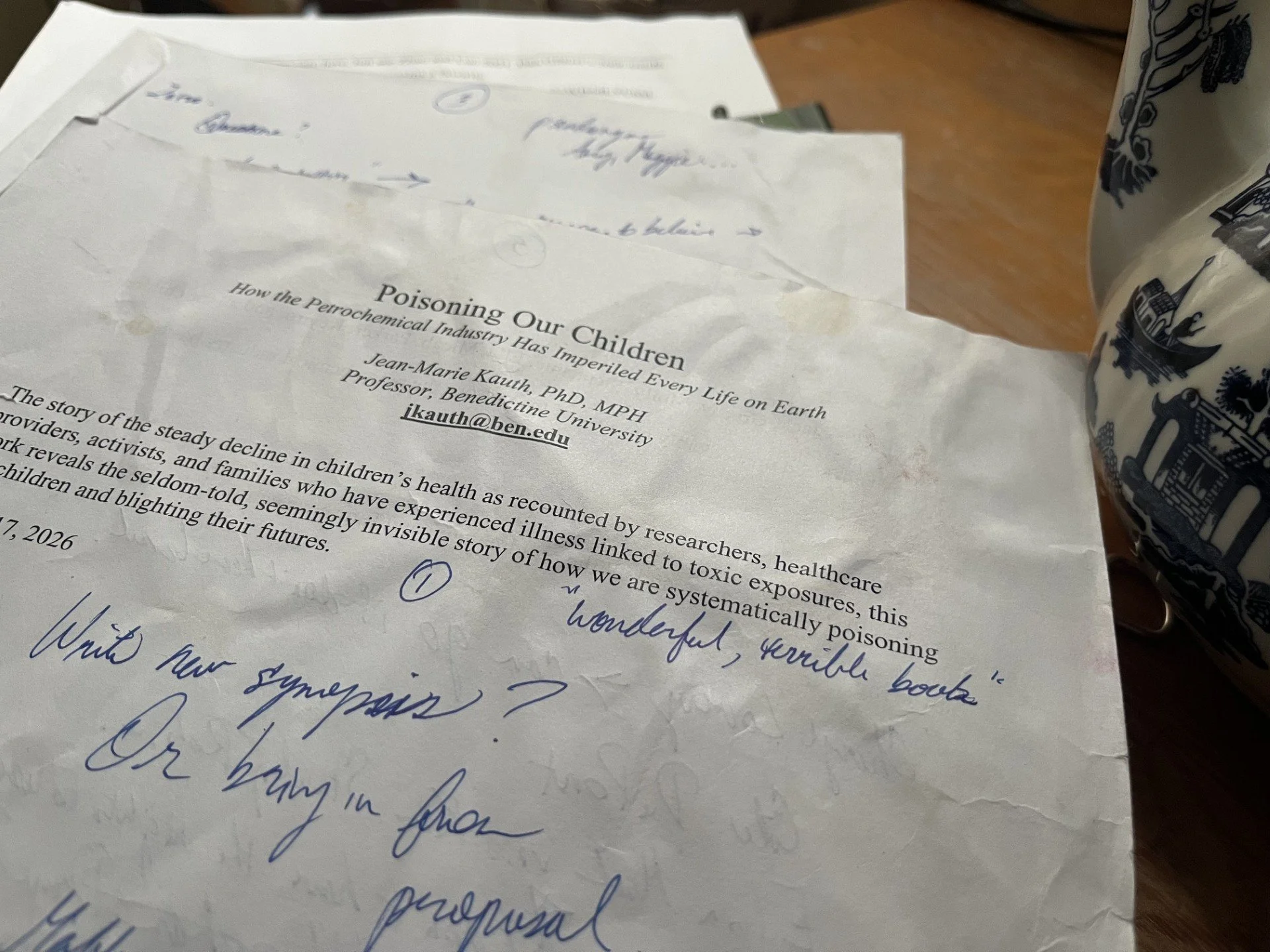
I just got off a Zoom call with my editor Robin Coleman at Johns Hopkins UP. He graciously shared a thrilling behind-the-scenes glimpse of how my book is being received by the very first staff at the press besides him to read it.
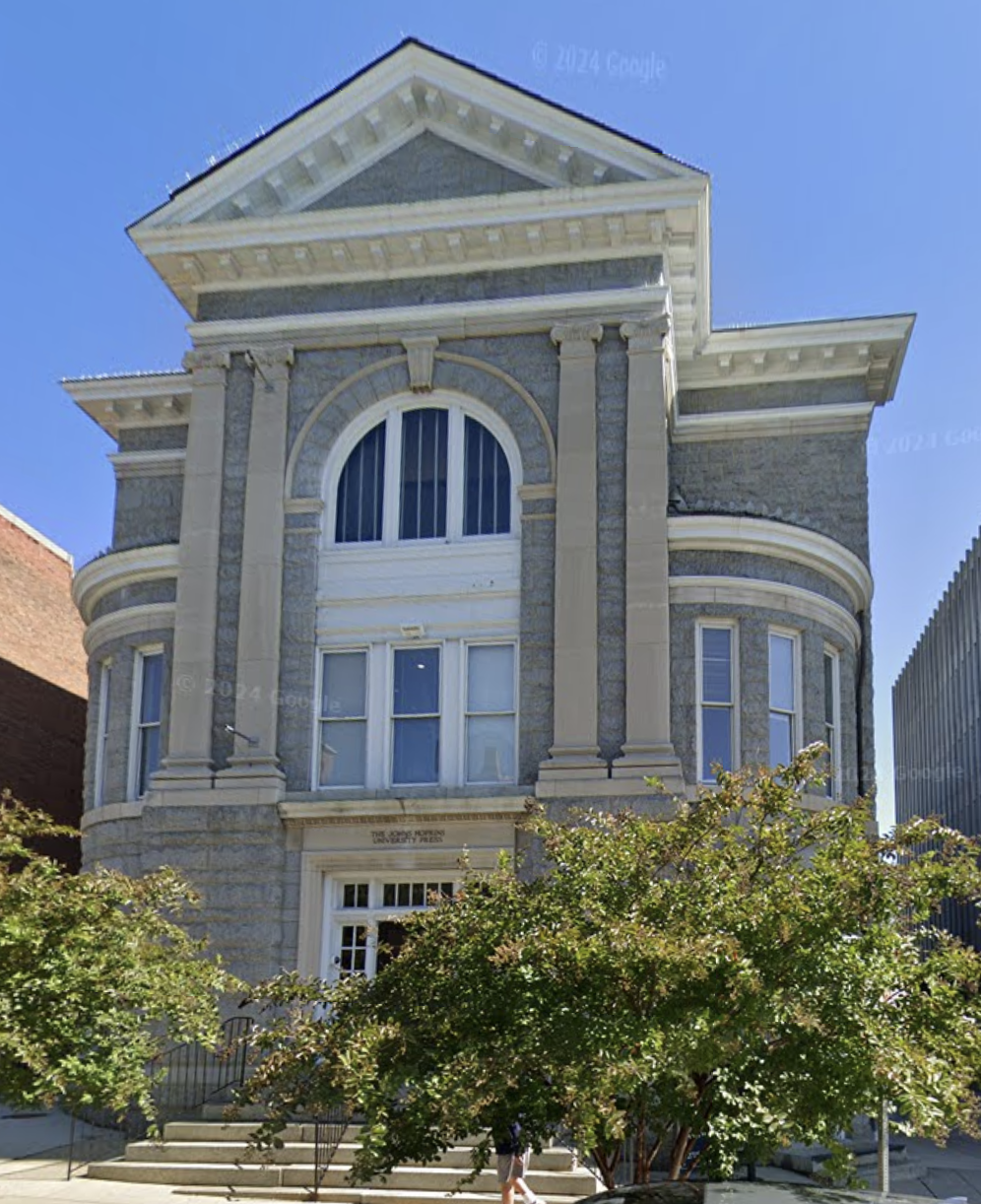
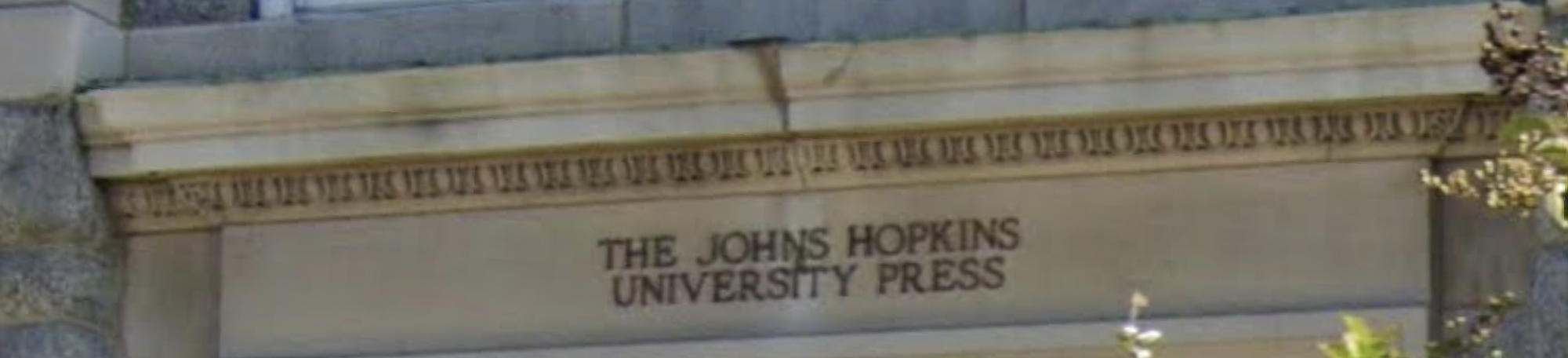
Figure 1: Home of JHUP at 2715 N. Charles St. in Baltimore
Robin likes all the books he is working on, naturally. But he told me that usually, he experiences self-doubt – worrying that others will not feel the same way. And then he has to wait for publication to see what people think. It can be nerve-wracking. Peer reviewers read the manuscripts early on, but he mostly just relies on them to make sure the content is accurate.
As a book enters the copy-editing stage, it goes through a process called transmittal, where assistants transmit the files for the book. One of the signs he looks for – though this only happens for one or two books a year – is when someone reaches out for no reason at all to tell him that they loved the book. These people work with dozens or even hundreds of books a year. They are merely checking files to make sure everything is in order.
Well, it turns out that the assistant transmitting Poisoning Our Children reached out to Robin! She said she was just spot-checking the text – when she accidentally read a little bit, and then a little bit more, and then got hooked. And then she read a lot more.
This is a promising sign. I had to hold back tears of pure emotion. Because I really, really want not just to publish this book but to make sure that readers find it worth their while. I want it to move them and inspire them to act.
I thanked him for sharing this fleeting foretaste. This will give me the confidence to feel my message has worth and weight, to speak more loudly and widely, to believe that I am giving a gift to the world rather than foisting off some vanity project. Evidently, nearly all authors feel this uncertainty. Robin says it takes a certain amount of bravado to even attempt a project like this – but there is almost always deep humility alongside that. Authors are too close to their projects to fairly assess them, and they know it.
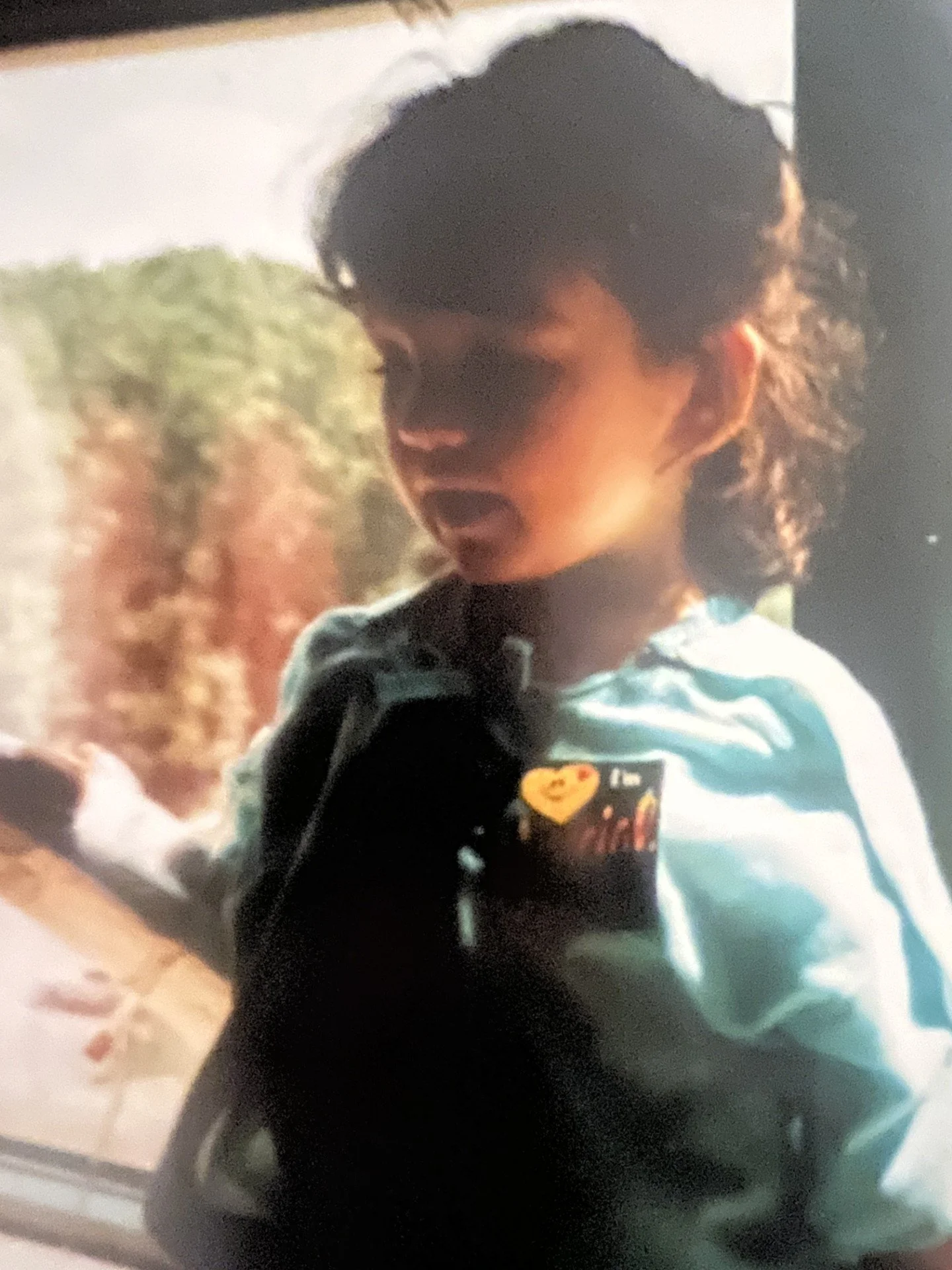
After all these years striving just to be heard and believed, perhaps Katherine’s story will nudge the needle in the right direction. It is the only grim hope I have left.
Here’s a milestone in this process that most would never think about, and I had never dared to aim for. I just long for all of the rest of you to get hooked reading Poisoning Our Children as well.
A lot of my message is plain common sense backed by robust scientific data: we should not be poisoning our children. What I think may make people listen to this obvious truth, may make people decide to finally act, are the stories of children who have suffered the immiserating consequences of the petrochemical industry’s depredations, including my beloved daughter Katherine.