Despite the sky-high baseline rates of cancer everywhere, particularly in the United States, where there is virtually no regulation of environmental chemicals, Iowa’s rates are truly startling and have started to attract attention.
An article in The Hill this last week highlighted how the issue has become central to Iowa politics, particularly in the race to replace Senator Joni Ernst (R). State legislator Josh Turek (D) is challenging Rep. Ashley Hinson (R), causing the race to move from “lean Republican” to “toss-up,” partly on account of this issue. Iowa has the second-highest cancer rate in the US, and rates continue to rise.
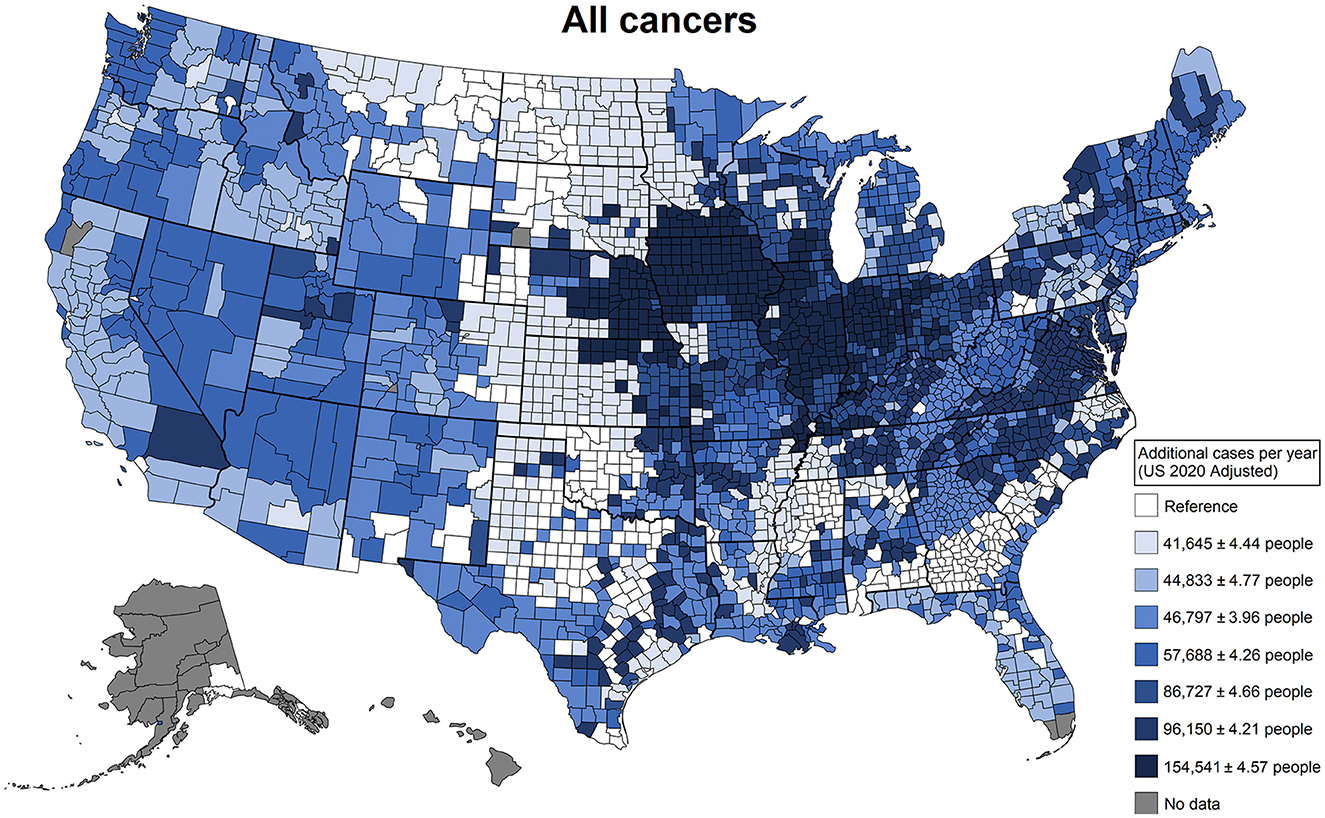
The Iowa Environmental Council (IEC) has pegged the high rates on PFAS, nitrates, radon, and pesticides—all of which are found at higher levels in Iowa, though all Americans are exposed. Evidently, in Iowa, “Democrats are hitting Republicans over their votes to cut cancer research and funding for care.” And of course, ever since Al Gore picked up the banner of climate change action from Republican Senator John McCain, Republicans have virtually abandoned environmental issues to Democrats. And of course, our few meager protections are currently being gutted by the Trump Administration.
In particular, high rates of colon cancer among very young people in Iowa are gaining attention.
This is nothing new. Dr. Aaron Blair—whom I interviewed all the way back in 2012, after his retirement from the National Cancer Institute (NCI)—was motivated to pursue cancer research in part because he saw high cancer rates on the map, right through the center of the Midwest. He intuited then that it had to be farm chemicals: “The thing that drove me, thinking about farmers, was the high rate of leukemia you could see running through the center of the U.S. It showed on the map. What could that be? The counties that had the high rates weren’t the big cities, as with other kinds of cancer…. They were rural. So it had to be agricultural.” Other than exposure to pesticides, farmers tend to maintain healthier habits than most. Blair initiated the long-running Agricultural Health Study, which has measured higher rates of many health outcomes—not just cancers but also Parkinson’s Disease, inflammatory bowel disease, autoimmune diseases, kidney function, cognitive effects, and more—among 89,000 farm families in Iowa and North Carolina over more than 30 years.
Cancer rates weren’t always this high. In her blockbuster 1962 tome Silent Spring, Rachel Carson noted that within her memory, childhood cancer had been a “medical rarity.” She was shocked that in her time, 1 in 4 Americans would develop cancer. Now that number is 1 in 2 men, more than 1 in 3 women. 41% of Americans will get cancer. 21% will die of it.
It doesn’t have to be this way. Countries that regulate chemicals more carefully, like Europe, as well as countries that are less developed, tend to have lower rates of most cancers. Increasingly, however, the US is exporting our cancer rates right alongside toxic farm chemicals from Dow, Syngenta, and Bayer-Monsanto.
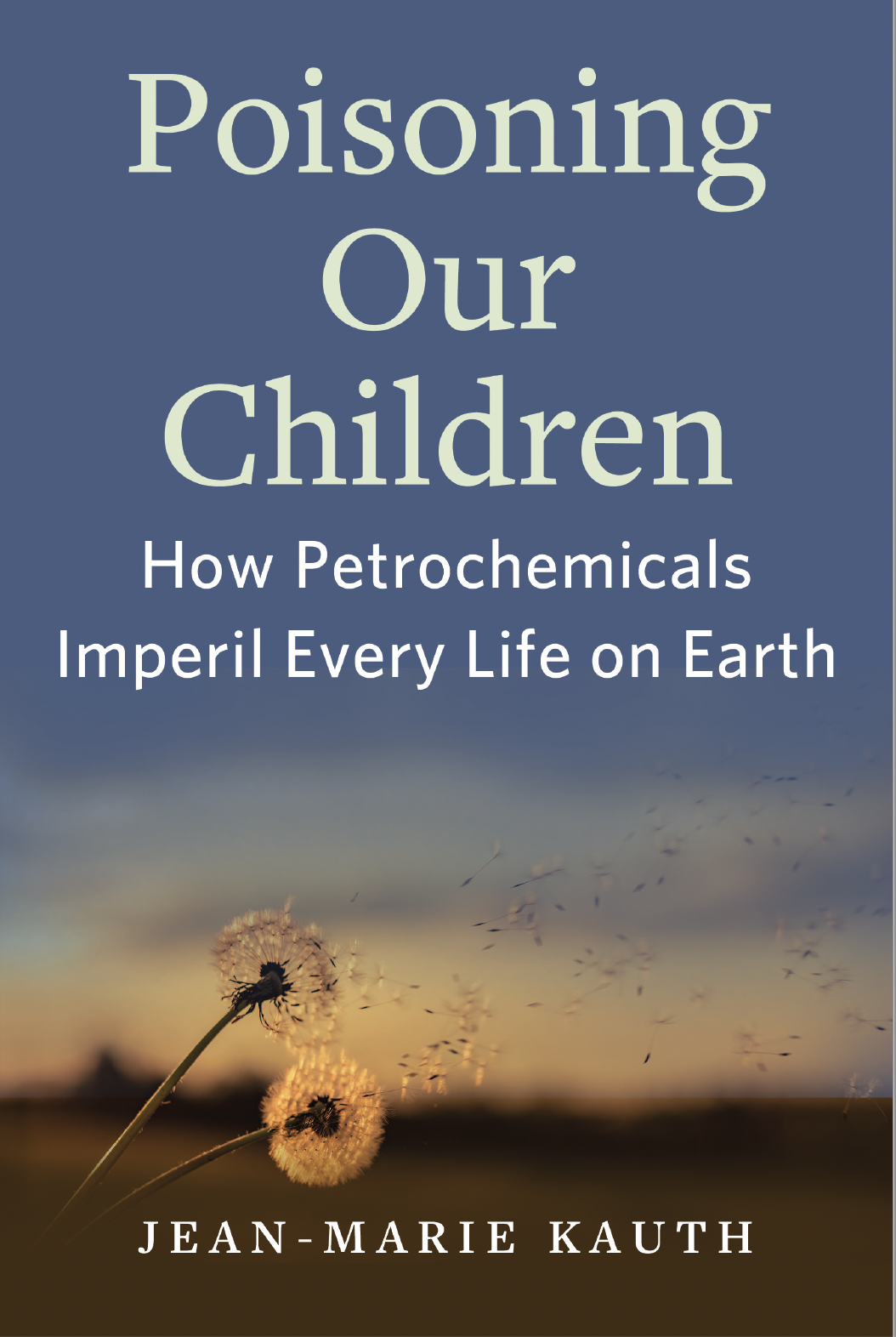
Read more about Aaron Blair and the history of the research on my Substack or in Poisoning Our Children, forthcoming from Johns Hopkins in February.
In some ways, the book reads like a murder mystery, beginning with Rachel Carson and continuing into the present. I have every reason to believe my beloved daughter Katherine was one of the petrochemical industry’s invisible victims. And we all have every reason to fear that the same or a similar fate is coming for us all.
The book I have worked towards for more than 20 years, Poisoning Our Children, is now available for pre-order at https://www.press.jhu.edu/books/title/54124/poisoning-our-children
Pre-orders are hugely important, as they affect whether bookstores stock the book, how algorithms surface it, and how seriously publishers take authors. Your support matters more than you know. All author proceeds will be donated to Environmental Health non-profits.