This issue is personal. This book is personal. This blog is personal.
Recently, I was talking with Robin Coleman, my editor at Johns Hopkins University Press, about promoting the book, and even though I am a private person, I found myself saying that I would tell my story however painful, that I would plaster billboards all over town with pictures of Katherine dead if it meant that one child did not suffer what she – and we – have suffered.
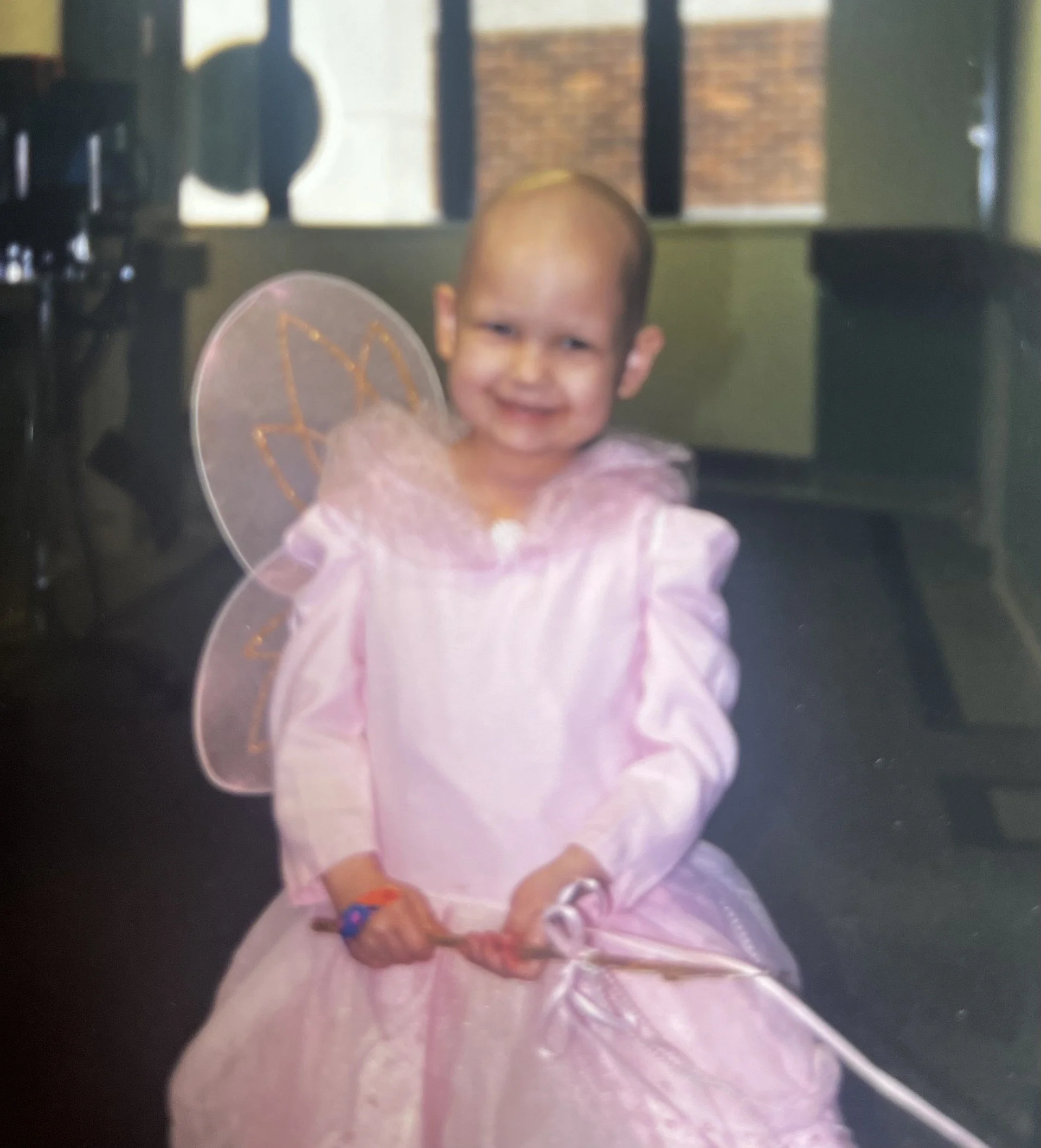
Figure 1: Katherine undergoing her first bone-marrow transplant – I was sure there was a better picture.
Parents of children killed in mass shootings have weighed doing just that. Some parents and journalists believe publishing crime-scene photos could trigger change. Steve Hartman and photographer Lou Bopp tried to represent the magnitude of loss by capturing the bedrooms of young victims. Mom Jada Scruggs insisted on her daughter Haillie’s existence, “She was real. She was here.”
The Washington Post wrote about the physical aftermath inflicted on children by rampant shootings, fostered in this country by weak gun laws and a violent culture. The article, titled “The Blast Effect: How Bullets from an AR-15 Blow the Body Apart,” demonstrated this not with bloody pictures of what a high-velocity bullet does to a tiny body, but with schematics, detailed descriptions of post-mortems, and accounts from doctors who have had to try to repair the damage. The authors were trying to make it real for people – in hopes that more will call for commonsense gun laws. Already, most Americans support stricter legislation. But the gun industry does not, and so the politicians to whom they contribute revolting amounts of money fail to protect us. Political science research affirms the hunch that most politicians vote not with their constituents, but with their largest donors.
While some parents feel ready to share pictures of their dead children, journalists hesitate to publish them. Public images could scar families further. They could motivate trolls to persecute them, as was the case with the notorious Alex Jones-Sandy Hook debacle. They could normalize or even motivate violence.
Then why would any parent, why would I think about doing such a horrendous thing?
Maybe it’s simple. That is what gets people’s attention. The journalism trope that “if it bleeds, it leads,” is not for nothing. Gaper delays are reliably built into accident management. People are fascinated with others’ suffering, others’ deaths – in stories, movies, and real life.
The bloody mangled display of a dead Emmett Till that his mother, Mamie Till-Mobley, bravely chose to show to the world was key in the fight against racist violence.
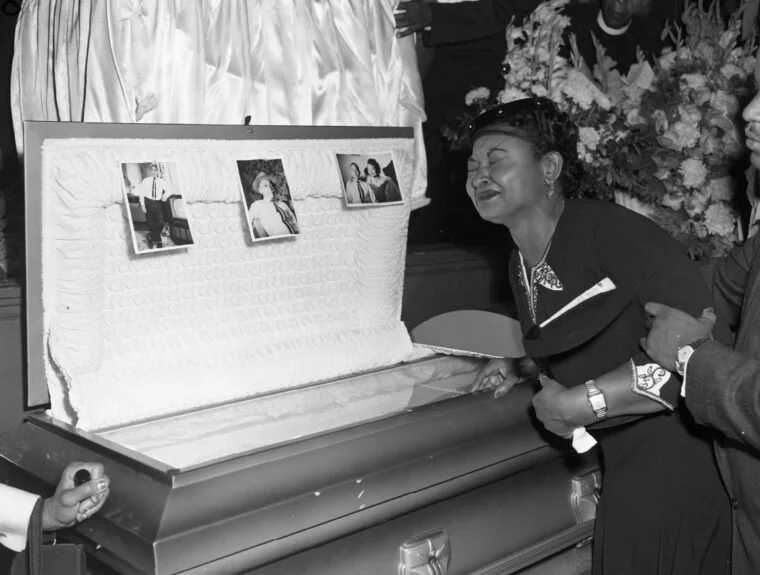
Figure 2: Mamie Till-Mobley at Her Son’s Funeral
Is viewing photographs like this just voyeurism? Just cathartic release – the relief that at least this time, it’s not me? Not all such displays are viewed like snuff films. Maybe it’s just because I’ve been Catholic all my life and grew up contemplating Christ on the Cross at the front of the church, the agony of Mary gazing up at Jesus suffering, the bleeding sacred heart, but I don’t think so. I remember enduring the out-of-body agony of Katherine’s funeral and gazing upon the cross just to feel connection with some other suffering human – God or mortal almost didn’t matter.
I can’t help but wonder if this natural tendency humans have to witness suffering is actually empathy – at least for some.
Strange to say, but grotesque tech billionaires like Elon Musk argue that empathy is “the fundamental weakness of Western society,” our Achilles heel. Marc Andreessen argues that introspection is dumb because “it causes emotional disorders.”
I am not the person I once was, but I cannot imagine being so far gone that I believed that compassion – one of the greatest of virtues, a feeling rooted in love – could be seen as a flaw. I guess that is the difference between someone who only weighs strength against weakness, not virtue against sin. Whose emptiness can only be filled up by transitory dollar signs and world-destroying wealth. Who believes only in triumph, not in redemption. I would not be that person or envy those riches for anything.
Evolutionary theory once posited that altruism in nature was paradoxical. That if creatures actually put others’ good before their own, they would be eliminated in the struggle for life. Therefore, to this way of thinking, all goodness or consideration of others is either an illusion or a fatal weakness to be eliminated. It worries me to hear this in current culture – particularly among the manosphere.
More recent science shows that actually, evolutionarily, our empathy, community, and ability to care for one another is our greatest strength – and is the reason for our success, much more than our big brains. Likewise, dogs succeeded not because they had bigger teeth or fiercer dispositions but precisely because they have a talent for love. Wolves in early stages of domestication cooperated with humans, and both humans and dogs have prospered in the process.
So coming back to the question of what is right for me to share about my daughter’s suffering: I think there is a balance. To be clear, Katherine’s last wish was to be remembered. Robin agreed not everything would be right for the book, but that more might make for an engaging interview. He thinks people may listen to our story and that of others. The science on environmental health is all there and has been for decades. What has been missing is people witnessing the impacts of losing a child this way. Yes, there are St. Jude’s Commercials, but they are all focused on cures, not causes. There is no whisper that these children might never have become sick if it weren’t for the petrochemical industry poisoning our children.
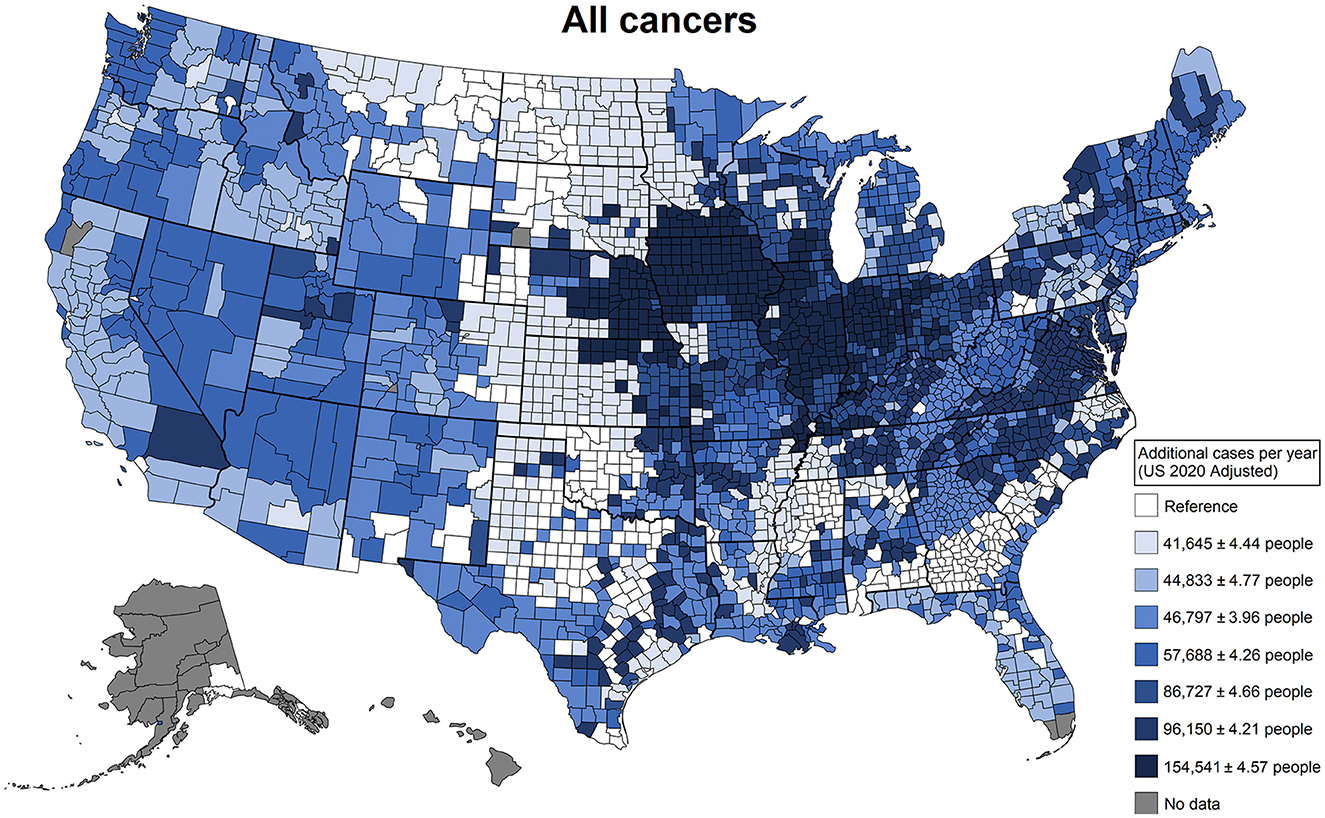
When there is a gory car accident on the road or a bloody shooting in a school, with pitifully shattered bodies piled up on the highways or in the hallways, there is no doubt what caused it. But the more extended, tenuous, hidden chains of causation from slow poisoning can be difficult to register. Our brains were built over eons more to protect us from immediate, visible harms like saber-tooth tigers, less from long-term threats to health. But the infiltration of our entire world with invisible poisons is causing more death than shootings, shark attacks, and accidents combined. Hundreds of millions die every year from cancer, cardiovascular disease, birth defects, autoimmune and metabolic disease, and many other chronic diseases caused by toxic chemicals.
Perhaps it would be wrong to share our suffering if it were only to elicit pity, to call upon sympathy and support for years when others need help more in the present. But when cautionary tales can actually motivate people to make things better for all, that is fundamentally different. I will stop sharing our story and others’ once laws are passed that protect our children, once people are aware of the hazards they face going about their ordinary lives.
Empathy is not only a human virtue that makes you a better person. It is also protective and adaptive. When you read a story about a person suffering and dying from something – or even witness it first-hand – you may feel compassion, you may extend a hand or a hug. But you may also strive to protect yourself and your own loved ones from those harms.
As a literature professor, I have long entered into others’ suffering. What do we get out of this, Aristotle wondered in his Poetics? The answer is not, I would argue, simply catharsis. Empathy develops the ability to exist outside of one’s self, in a sphere larger than between our own two ears, behind our own two eyes. It enlarges our experiences and expands our minds. And that has both tangible and intangible benefits.
So whatever it costs me, however much it hurts, I am prepared to share my sorrow and hers in the coming months, in hopes that doing so might change the world just slightly for the better.